![Magyarbusz [Info]](/mbi/header-logo.png)
Renewal instead of closure: trolleybus operations restart in Tallinn
 Ludányi József
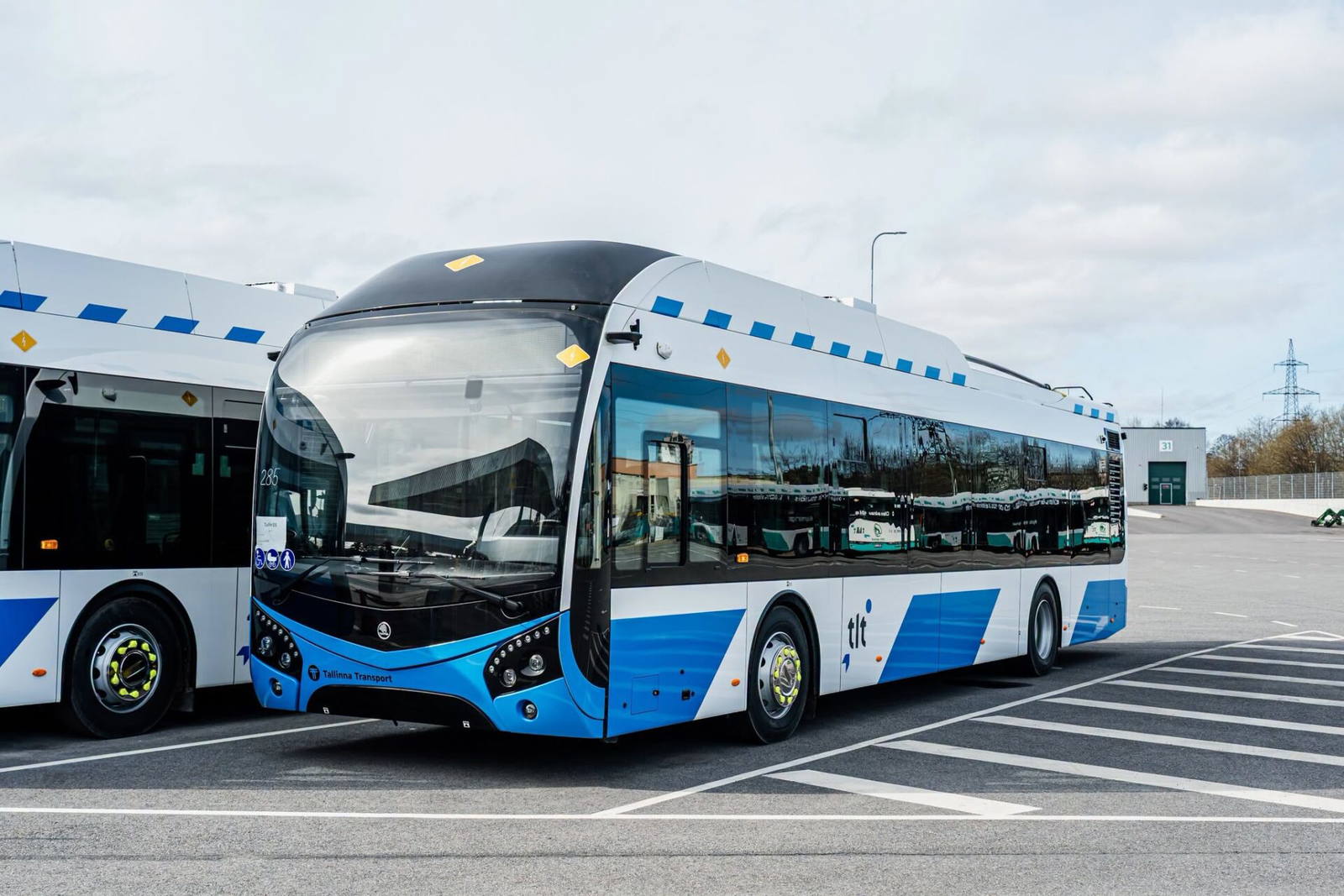
After an 18-month break, trolleybuses are running in Tallinn once again: scheduled trolleybus operation restarted in the Estonian capital on July 1, with TLT’s brand-new Škoda-SOR battery trolleybuses with off-wire capability entering service first on routes 84 and 85. The return of trolleybus operations marks the end of several years of uncertainty, as the complete closure of Tallinn’s trolleybus network had previously even been on the agenda. In the end, however, the city leadership opted for IMC (In Motion Charging) technology, which has put the future of Tallinn’s trolleybus operation on a new footing.
Tallinn’s trolleybus network has been shrinking steadily in recent decades. From the 2000s onwards, routes were discontinued one after another: buses took over from trolleybuses on route 8 in 2000, route 2 in 2012, routes 6 and 7 in 2016, and route 9 in 2017. The network, which had previously even included Ikarus trolleybuses, was increasingly pushed into the background, while no major infrastructure investments were made for decades. At one point, the complete abolition of trolleybus operations was considered a realistic scenario, but the emergence of IMC technology ultimately opened up a new perspective for the system’s future.
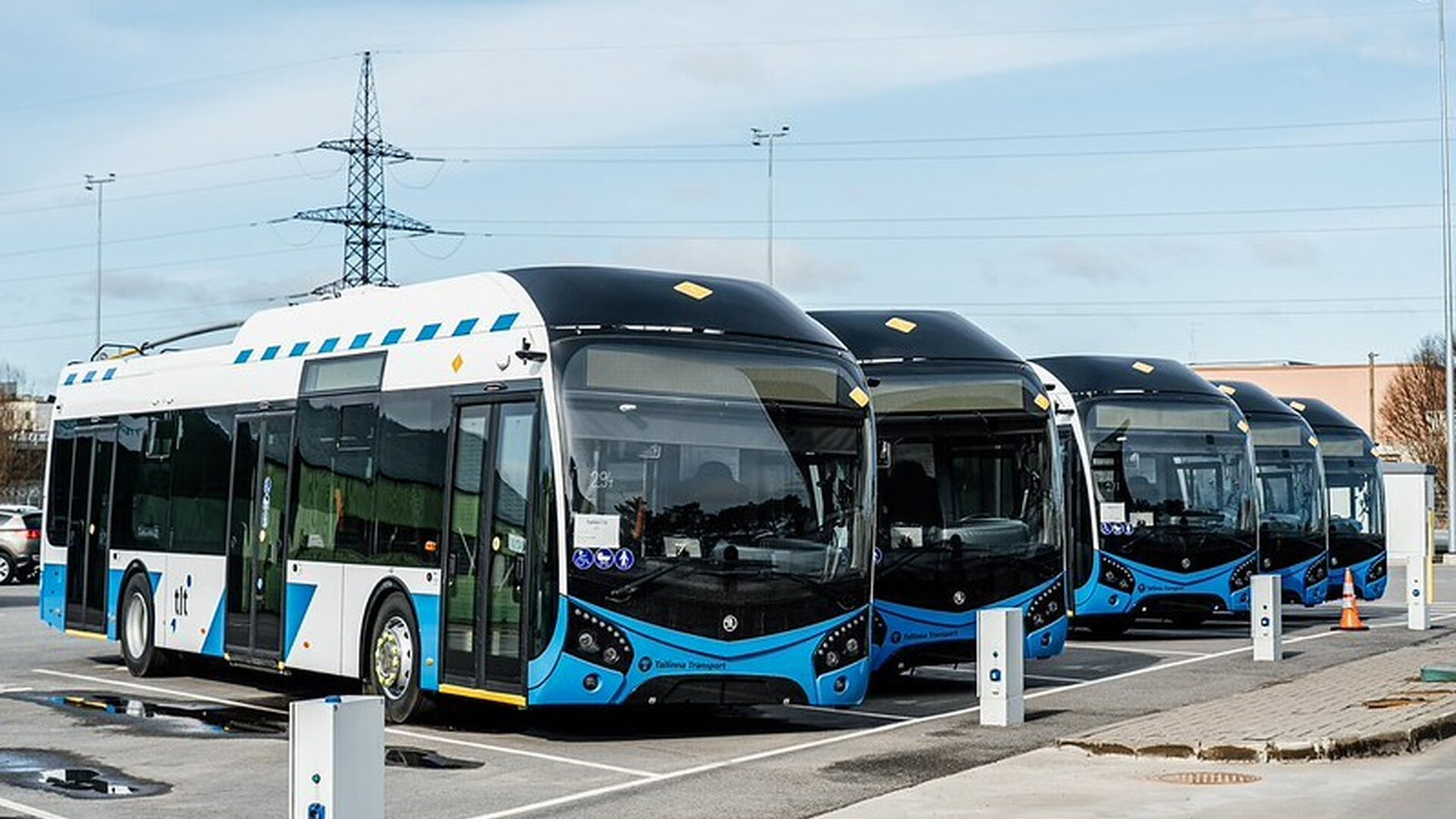
The turnaround began in 2024, when Tallinn decided to withdraw its ageing Solaris Trollino fleet, procured between 2002 and 2009. The vehicles were finally taken out of service on November 1, 2024, and buses temporarily took over the remaining four trolleybus routes. Almost at the same time, a decision was also made that the city would base its trolleybus operations in the coming years on a new 40-strong fleet of battery-equipped Škoda trolleybuses with off-wire capability.
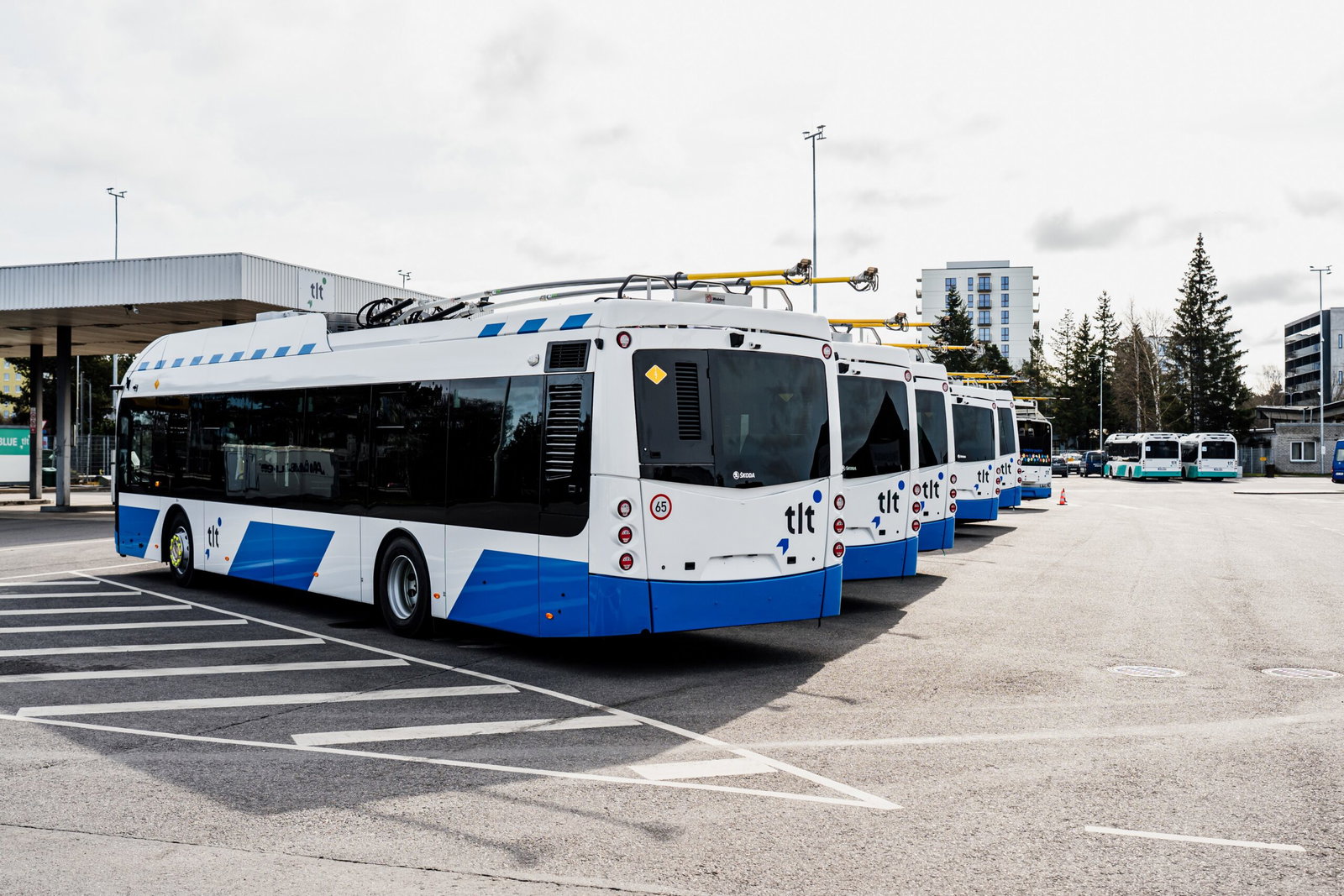
Trolleybus operation is now returning gradually: the first vehicles appeared on routes 84 and 85 from July 1, and in August the service will be extended to routes 81, 83 and 72 as well. Route 72 is of particular interest, as it represents the reactivation of the former trolleybus route 9, which has been operated with diesel buses since 2017. The final 40-vehicle fleet will consist of 18 standard Škoda 32 Tr and 22 articulated Škoda 33 Tr trolleybuses. All vehicles are capable of off-wire operation, and with their batteries of around 60 kWh capacity they can cover up to 25 kilometres without overhead wires. A special feature of Tallinn’s articulated 33 Tr vehicles is that they are the first Škoda trolleybuses based on the SOR TNS 18 body to be fitted with a two-motor drive system.
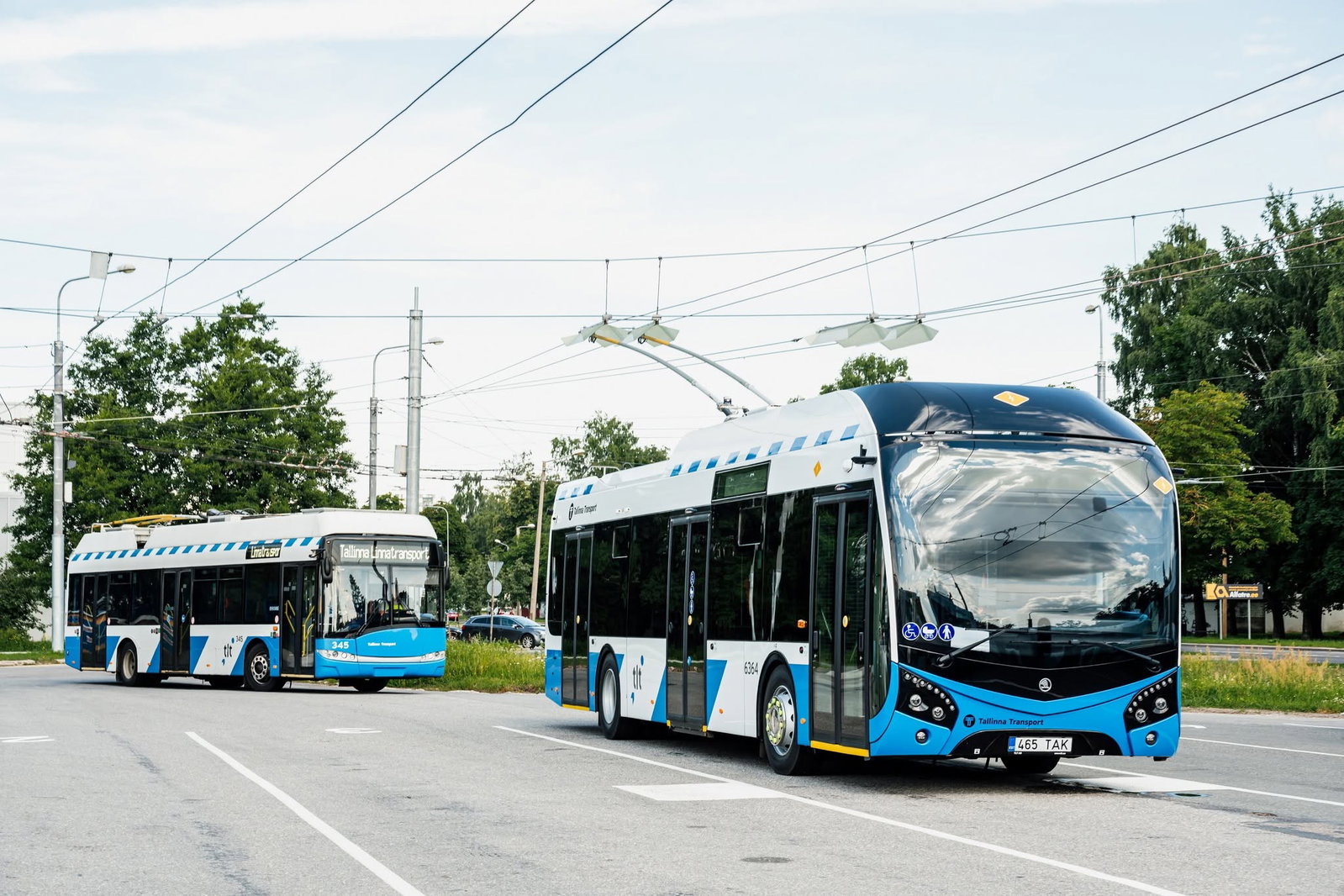
The entry into service of the new vehicles was preceded by significant infrastructure development. During the modernisation, around 22 kilometres of overhead contact line were renewed, including a 7.5-kilometre section that was completely rebuilt, while feeder cables and substation equipment were also upgraded and 460 overhead line support poles were replaced. The investment, worth around €4.6 million, was not only about renewing the existing network; overhead wires were removed on several sections in the city centre, where the new Škoda trolleybuses now operate in battery mode. According to the city, this solution both reduces the extent of the overhead line network in the city centre while preserving all the advantages of trolleybus operation and providing greater flexibility for future network development.