![Magyarbusz [Info]](/mbi/header-logo.png)
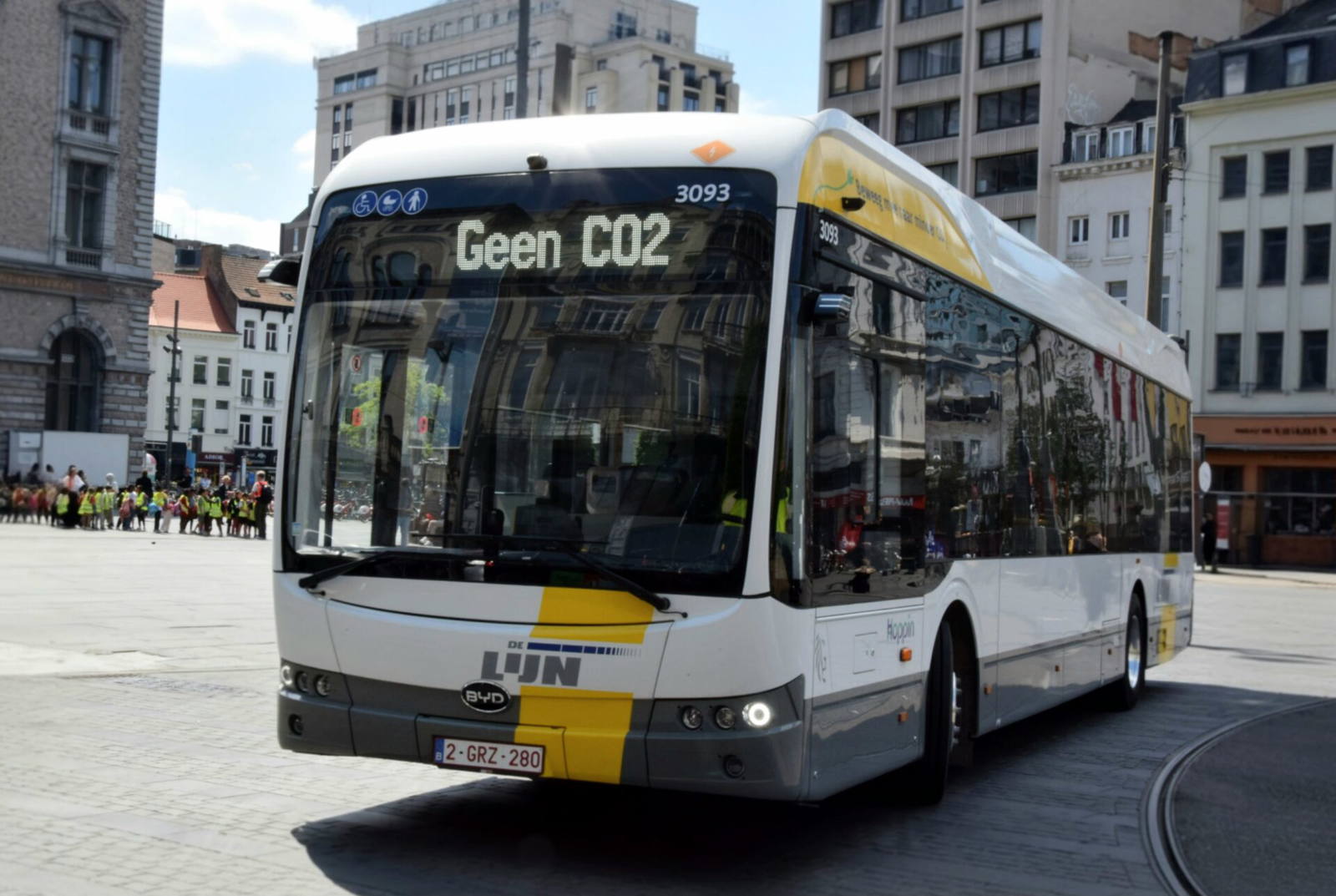
BYD electric buses assembled in Komárom enter service with the Flemish De Lijn
 Ludányi József
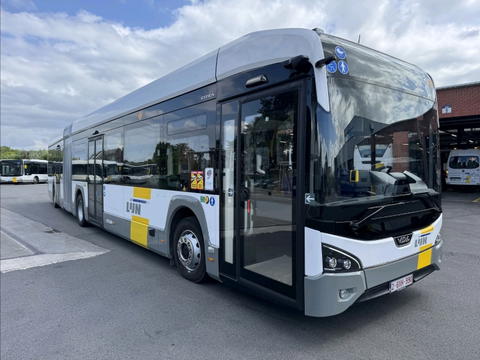
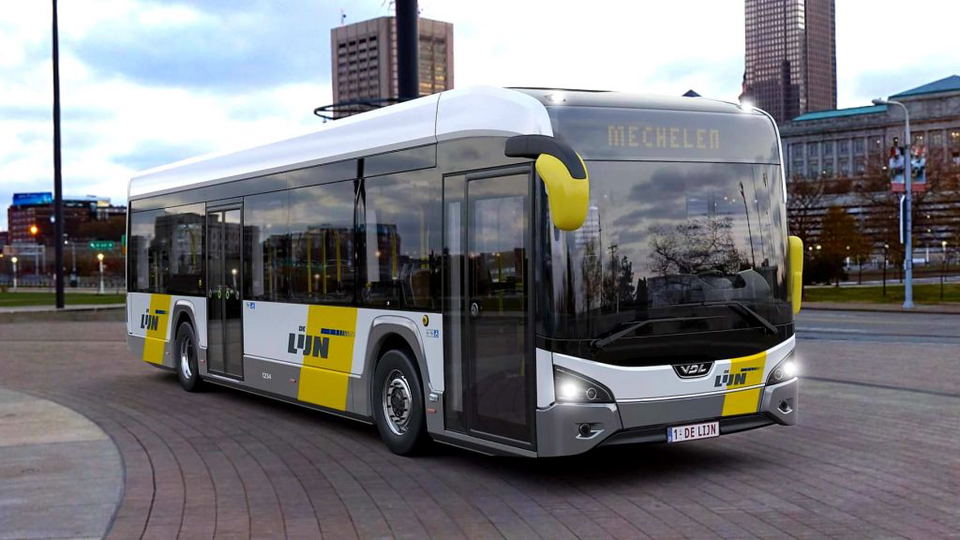
On June 23, the first units of the 92 BYD electric buses ordered by De Lijn, responsible for public transport in Belgium’s Flemish region, entered service in the Flemish public transport system. The first four units of the series are operating from the Mortsel depot in the Antwerp agglomeration, with the remaining vehicles being delivered gradually over the coming weeks. The buses are assembled at BYD’s European manufacturing base in Komárom, Hungary, which has played a central role in the company’s European production structure for years. The remaining units will later appear in other cities in the Flemish region, including Brugge, Hasselt, and the Winterslag area.
The vehicles are delivered based on a supply framework contract for up to 500 units, which De Lijn signed with the Chinese manufacturer at the beginning of 2024; the price per bus in the contract is approximately 500,000 euros. Since then, the transport company has decided to order an additional 140 vehicles, bringing the total number of ordered BYD electric buses to 232.
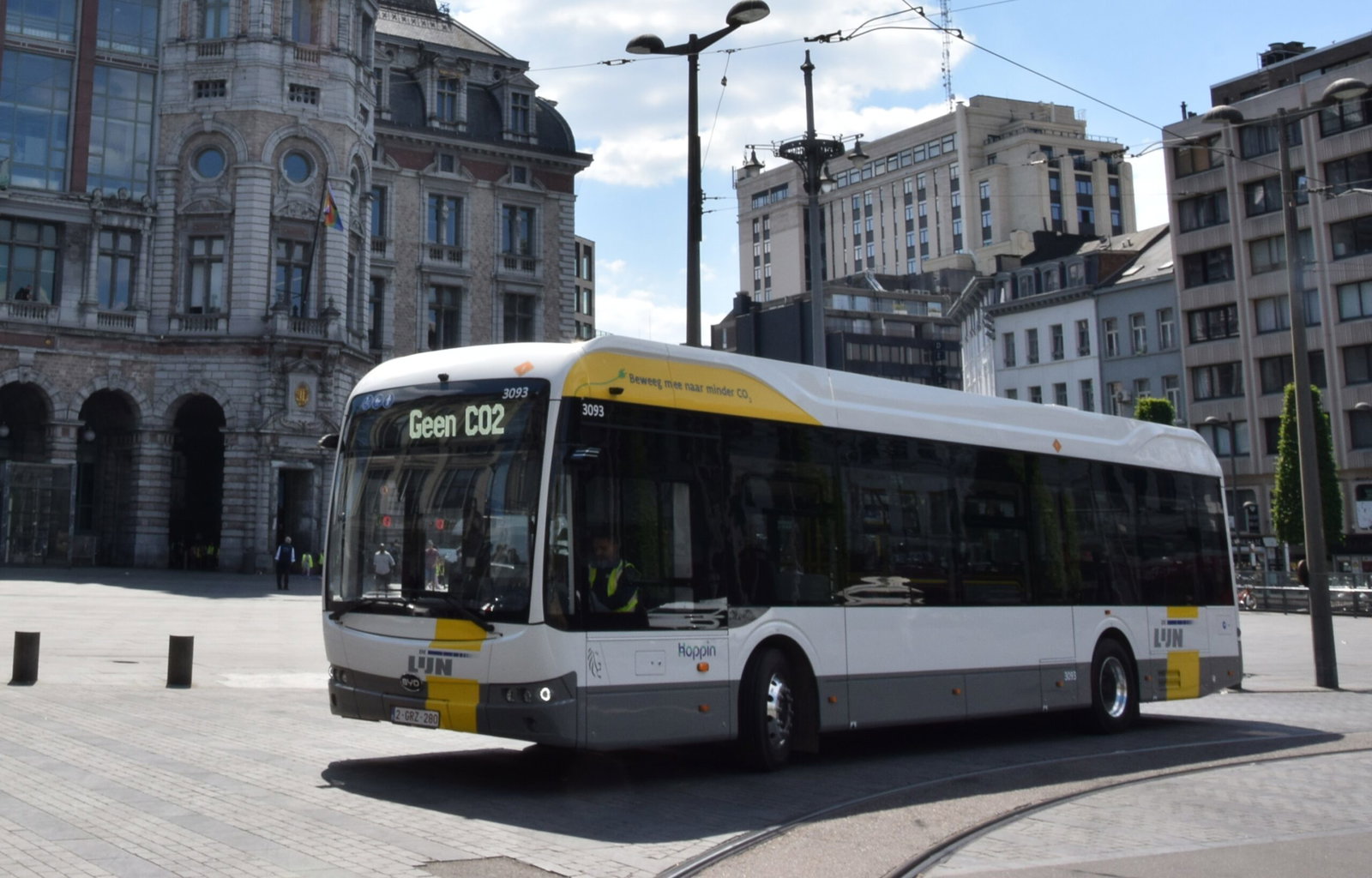
The buses are manufactured under a production program coordinated by BYD’s European subsidiary, with final assembly taking place at the company’s facility in Komárom, Hungary. The technical features of the buses meet urban operational requirements; they have a locally emission-free, quiet, and low-vibration powertrain, and accessibility for boarding is assisted by an electrically operated wheelchair ramp located at the second door.
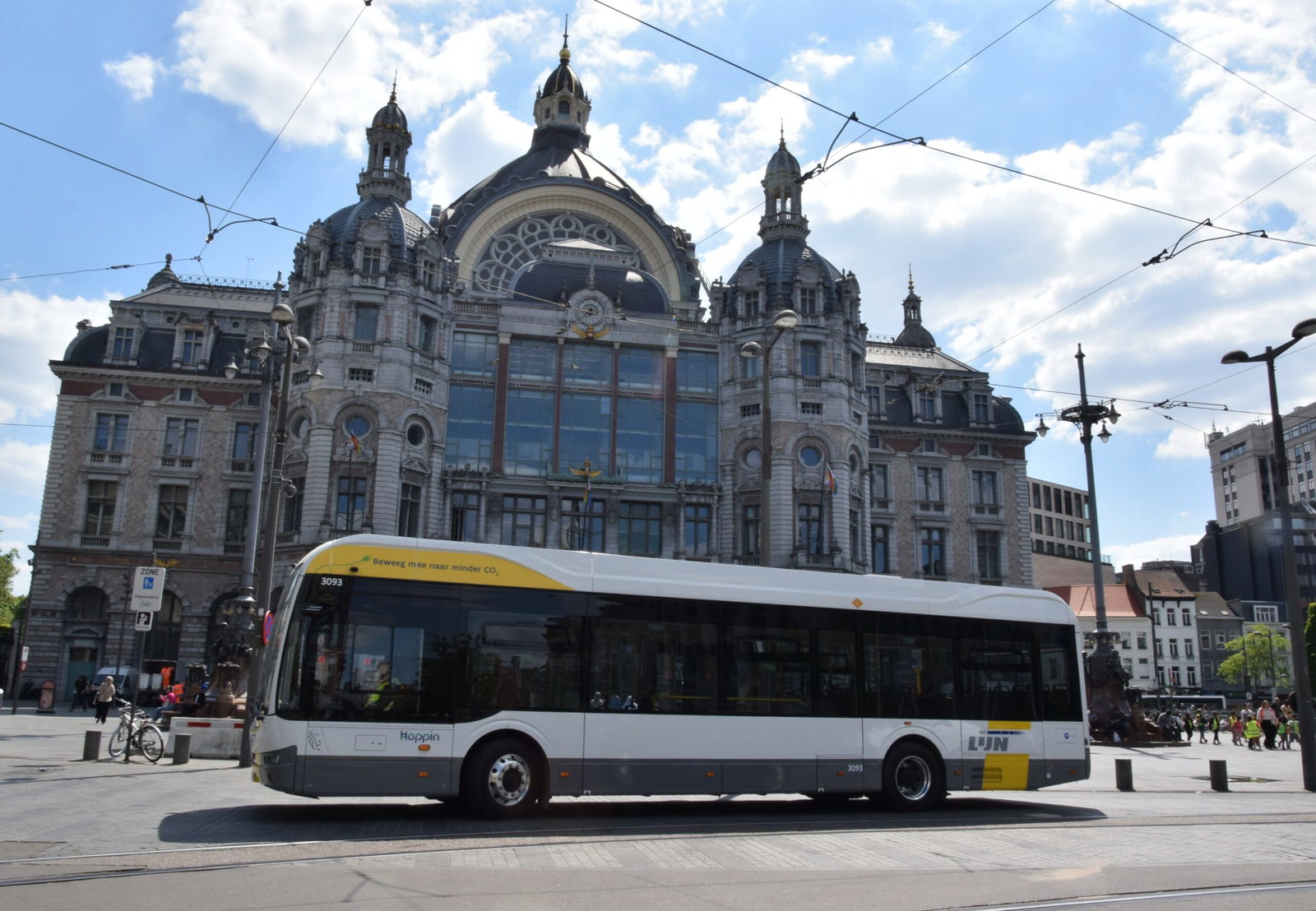
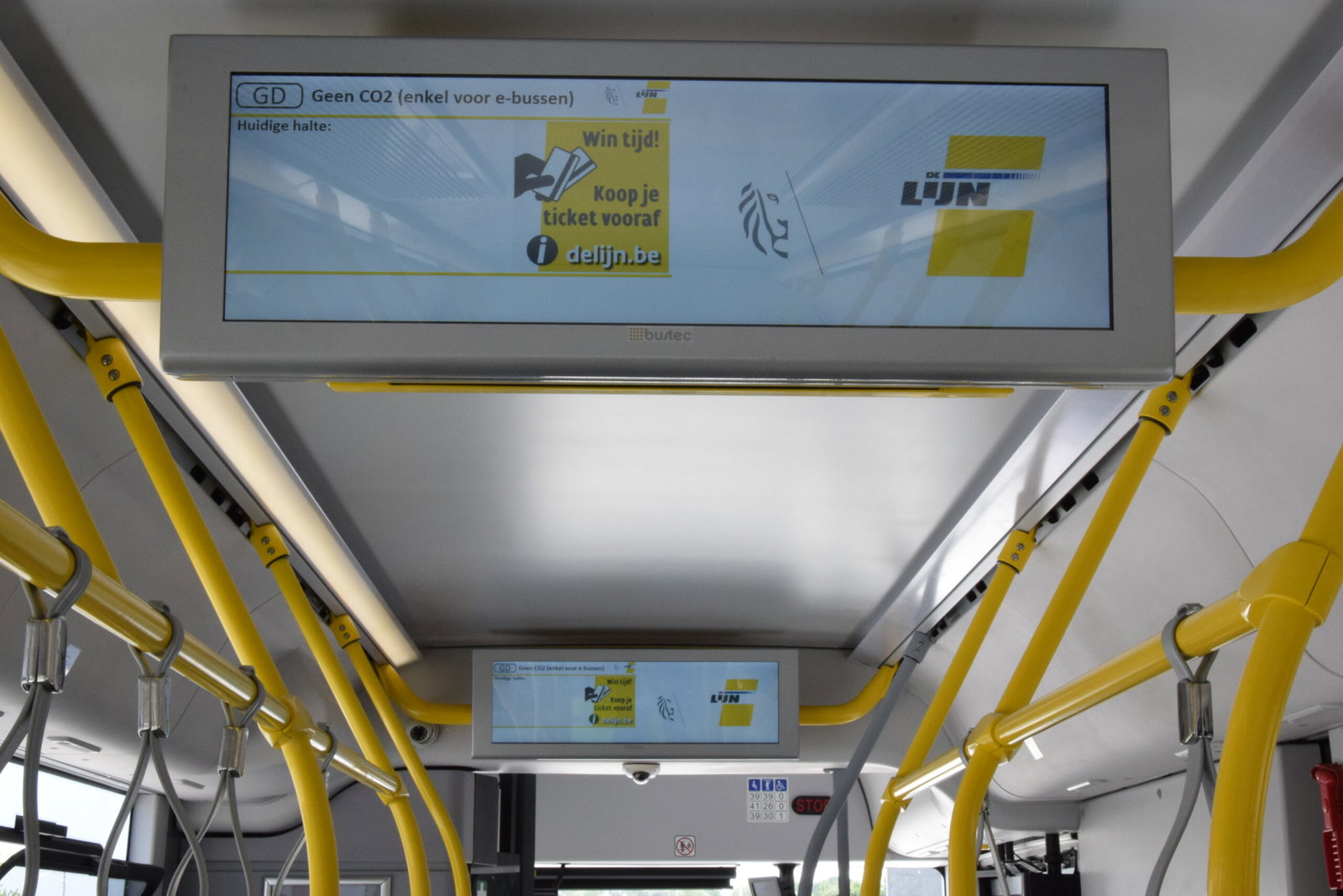
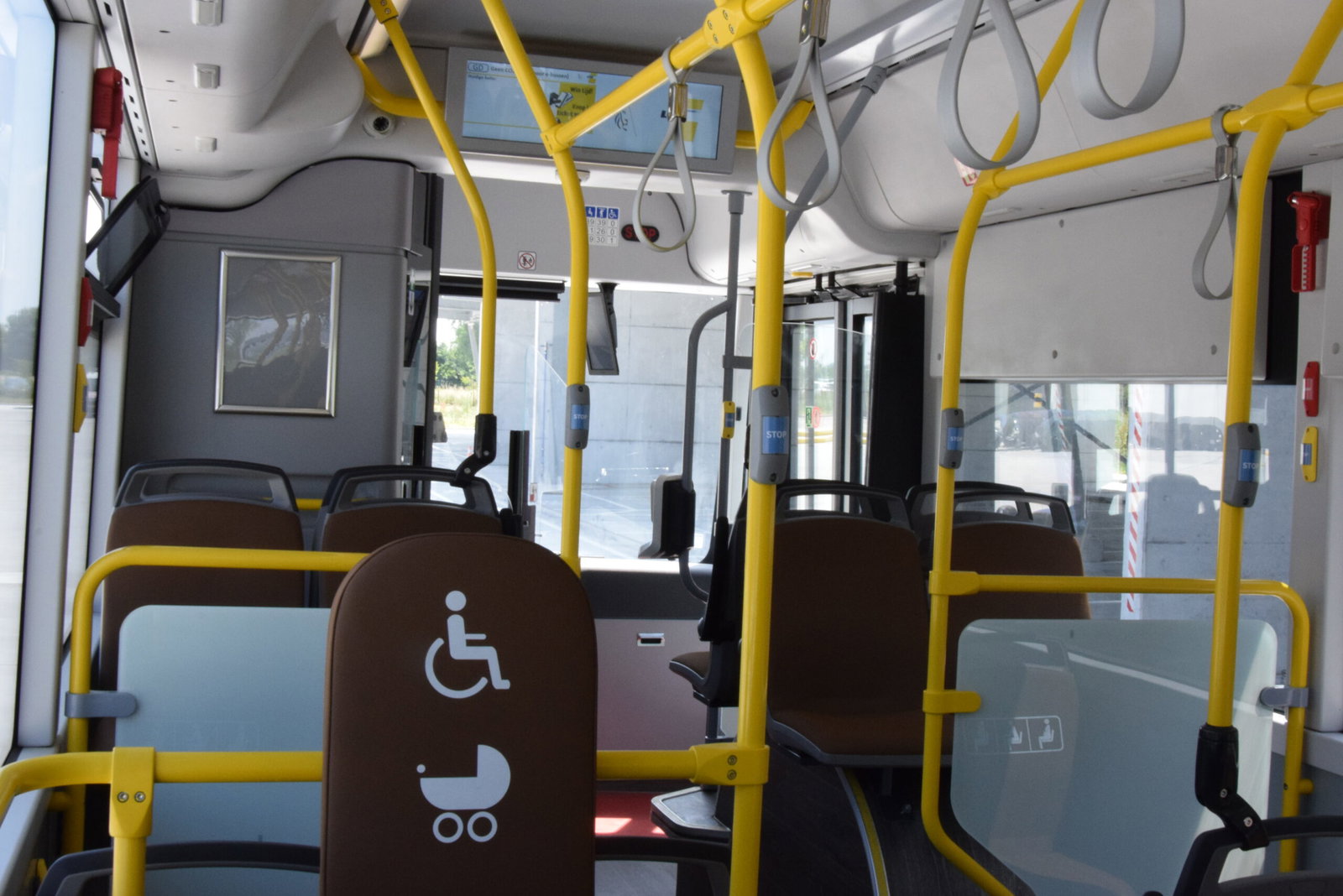
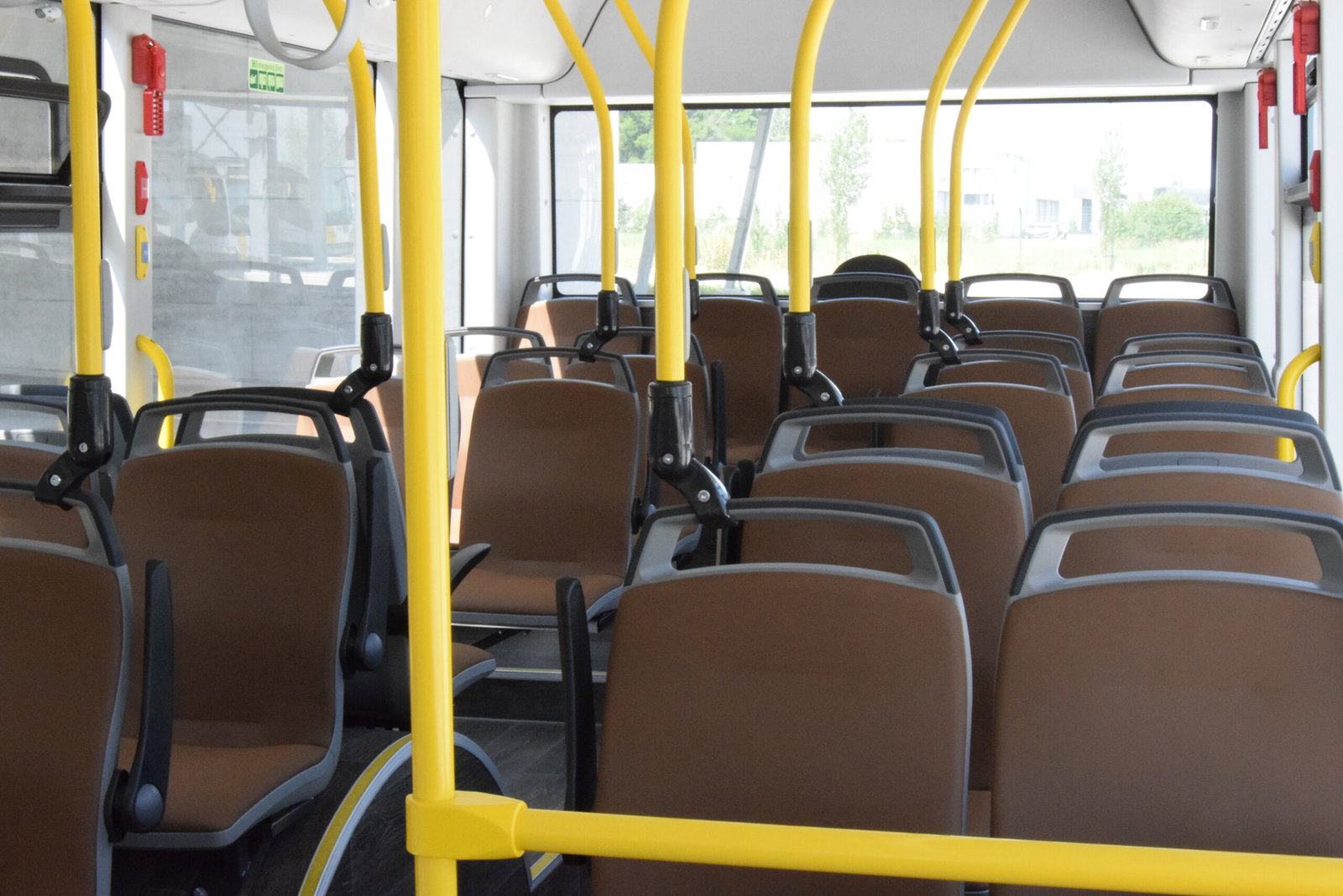
The two-door K9 models are equipped with extra-wide digital passenger information displays, USB charging points, as well as LED-based exterior and interior lighting. Traditional rear-view mirrors are replaced by a camera system, and the passenger seats are upholstered in recycled leather. The buses are equipped with BYD’s proprietary lithium iron phosphate (LFP) chemistry traction batteries; the built-in battery pack has a capacity of 422 kWh, which, according to the manufacturer, allows for a range of up to 450 kilometers under ideal conditions.
The procurement, however, has sparked notable professional and industrial policy reactions in Belgium. Critics argue that a state-funded transport company should take greater responsibility for preserving domestic industry and jobs. The criticisms are also accompanied by professional arguments, recalling previous operational experiences in the Netherlands that indicated quality issues with certain BYD models. De Lijn, on the other hand, emphasizes that the manufacturer’s selection was the result of a comprehensive technical and economic evaluation. The company states that the decision was preceded by detailed preliminary studies, which considered the European manufacturing background of the vehicles, and the availability of regional technical support, including the presence of a service infrastructure in the Netherlands.
The newly deployed vehicles fit into the transport company’s long-term strategy, which aims at the gradual electrification of the Flemish bus fleet. De Lijn’s goal is that by 2025, the vast majority of newly acquired buses will be zero-emission, particularly in urban areas where improving air quality is a priority public policy goal.