![Magyarbusz [Info]](/mbi/header-logo.png)
New York gives bus transport fresh momentum with historic development program
 Ludányi József
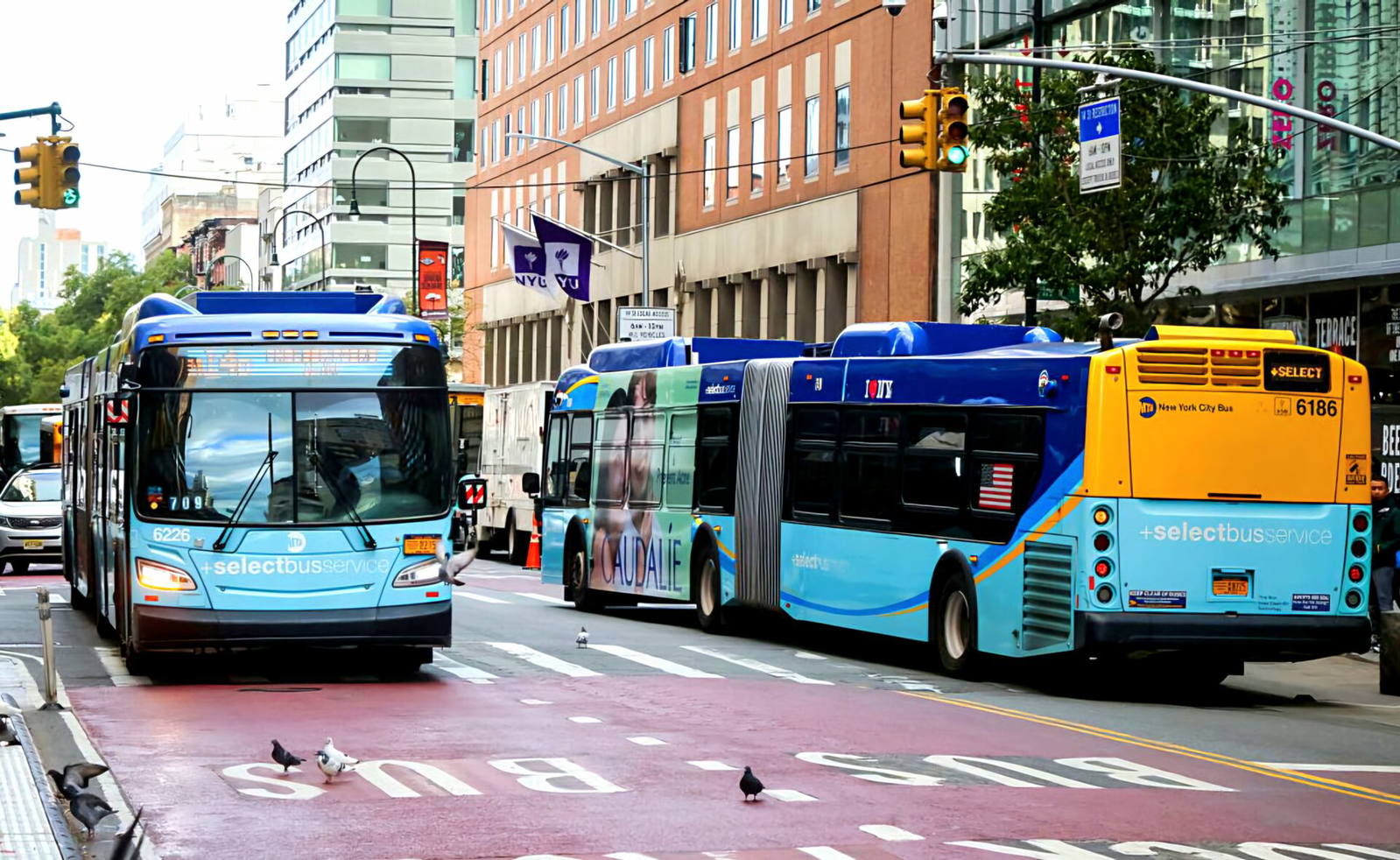
New York City and New York State officials have announced a comprehensive package of measures to improve urban bus transport. The program, called Next Stop: Fast Buses, Better Service, aims to significantly speed up bus operations over the coming years, improve service reliability, and create a more comfortable and accessible travel environment for passengers.
The program will be implemented through cooperation between the New York City Department of Transportation (NYC DOT) and the Metropolitan Transportation Authority (MTA). Over the next five fiscal years, the city will provide $254 million in operating funding and $628 million in capital funding for the investments, for a total of $882 million, or around HUF 274.3 billion.
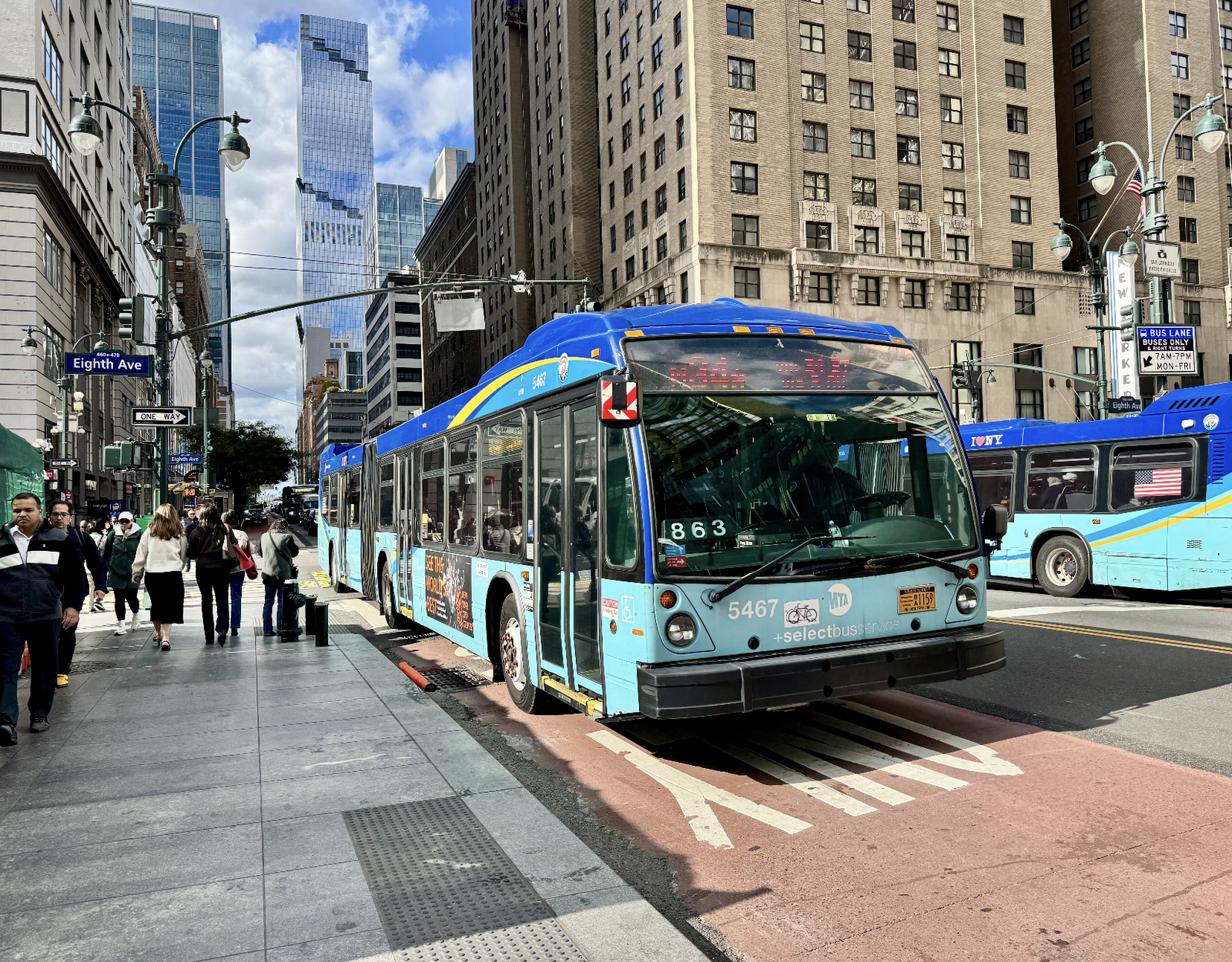
New York’s buses carry around 2.75 million rides a day, making it the busiest bus network in the United States. Even so, among major U.S. cities, buses here are the slowest: their average speed is currently just 8 mph, or about 13 km/h.
As part of the development program, 50 priority bus corridors have been identified, where targeted interventions are intended to cut journey times and improve schedule adherence. The investments will begin as early as 2026.
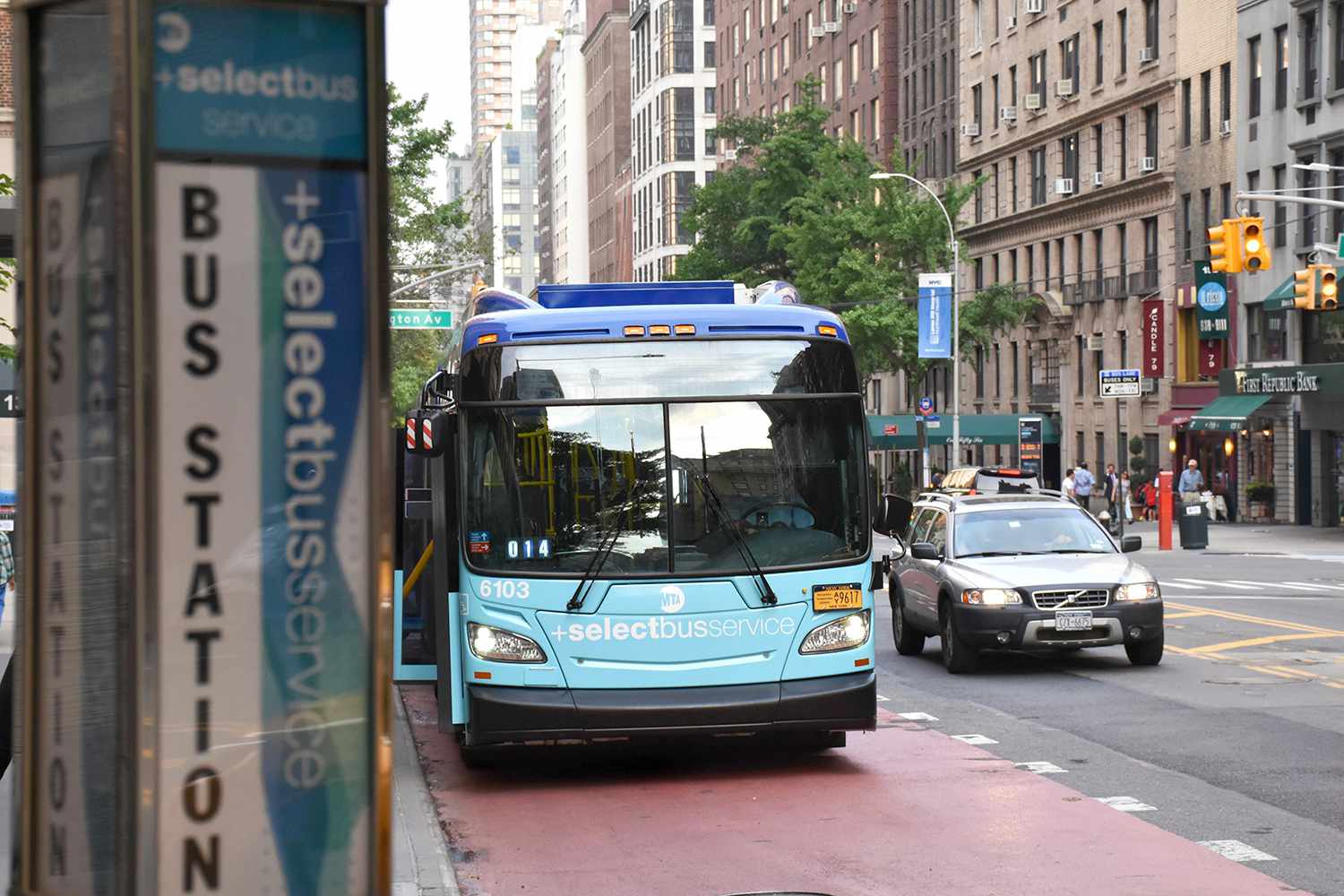
In the first phase, the first elements of New York’s next-generation express bus network will be created on five routes: the Tremont/Cross Bronx corridor in the Bronx, Northern Boulevard in Queens, along Flatbush Avenue and Utica Avenue in Brooklyn, and on the Kensington–JFK route between Brooklyn and Queens.
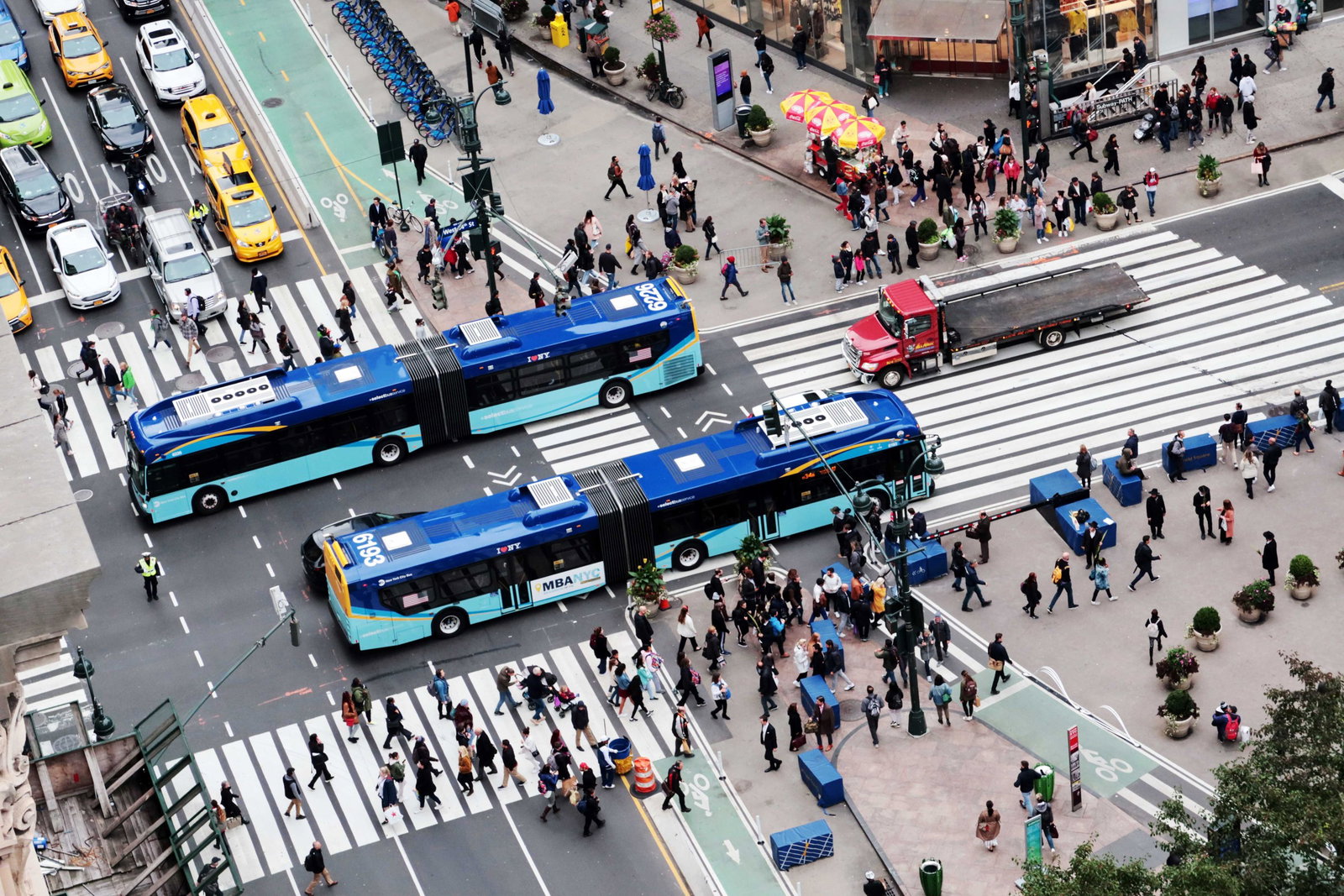
The selected corridors connect neighborhoods that serve important employment, education and transport hubs, while also playing a significant role in supporting current and future residential and economic development.
As part of the improvements, physically protected, dedicated bus lanes will be created, high-frequency services will operate throughout the day, modern covered stops will be built, and the areas around stops will also be redesigned, following the example of the world’s best Bus Rapid Transit systems. By 2030, a full-fledged, next-generation express bus system could be in place on the Flatbush Avenue corridor.
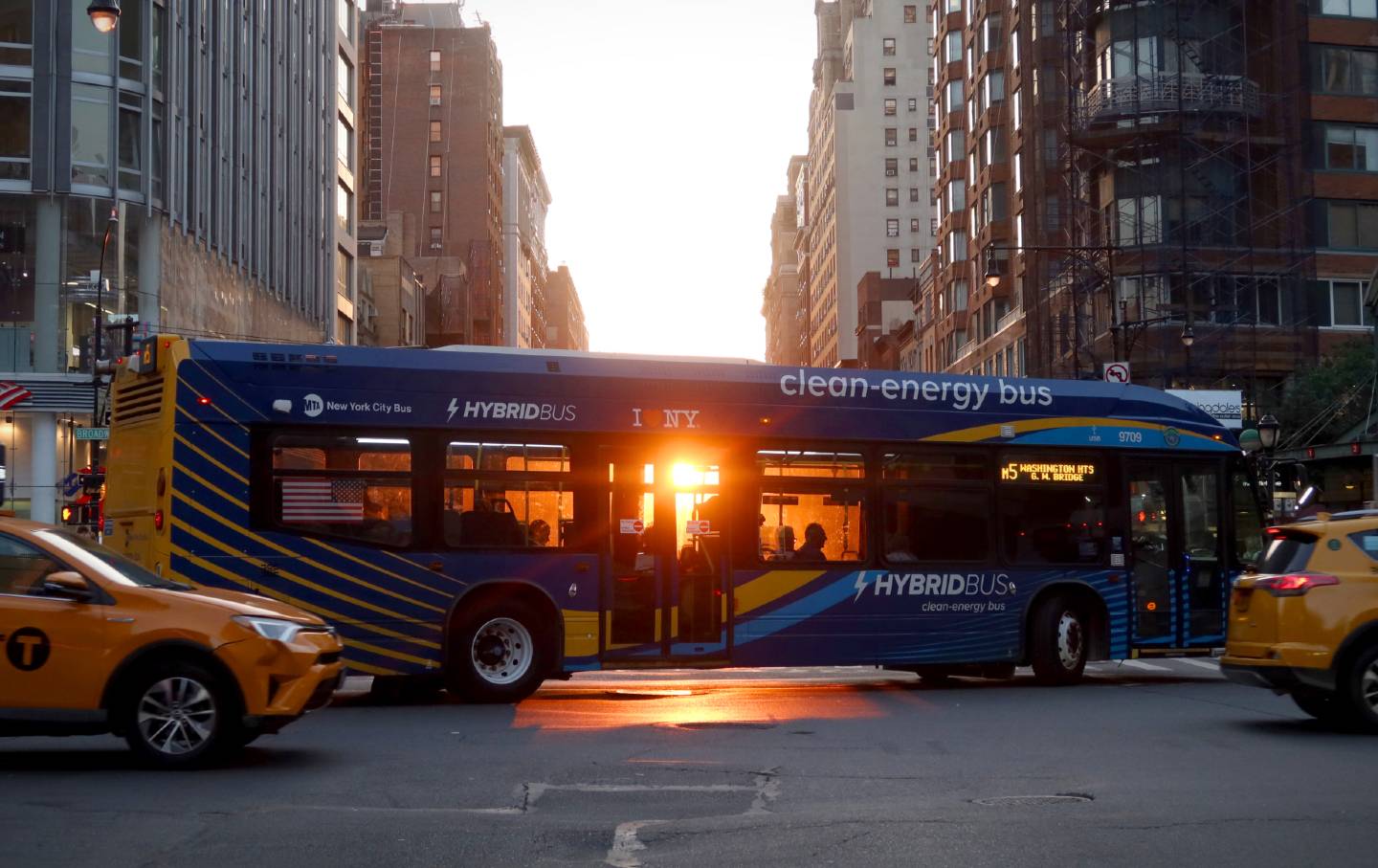
The city’s goal is for the measures to increase average bus speeds on the affected routes by 20%, which could save up to 6 minutes per trip in each direction on an average journey.
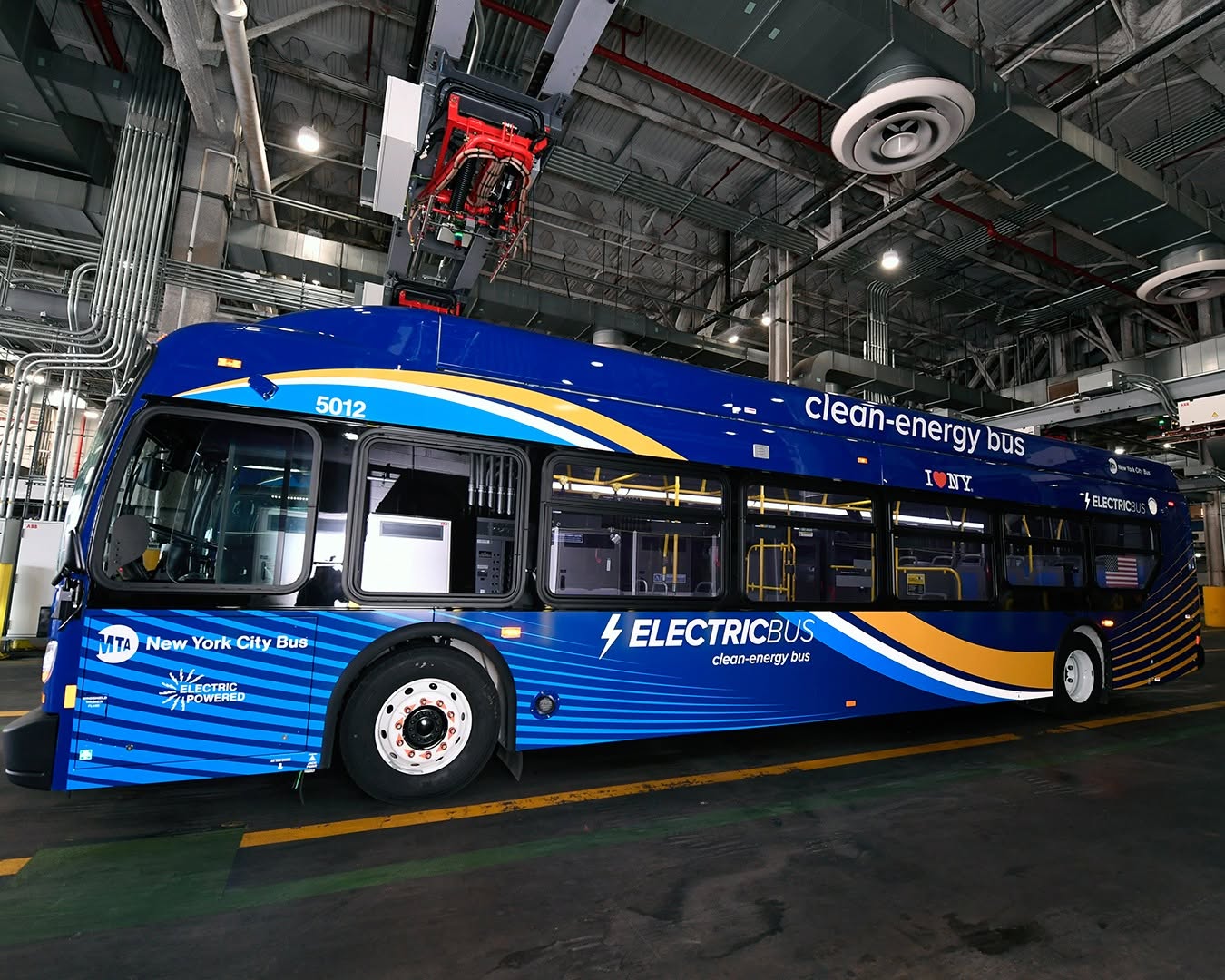
To improve service reliability, the MTA will enhance depot operations, modernize maintenance processes and increase the share of scheduled trips actually operated. As part of the MTA’s massive $68 billion investment program for 2025–2029 — nearly HUF 21 trillion — which covers improvements to its subway, commuter rail and bus networks alike, around 2,500 new buses will be procured, replacing nearly 40% of the current bus fleet.
Another important change is that all-door boarding will be introduced gradually from 2027. With the full rollout of electronic, contactless fare validation, passenger boarding and alighting can be significantly accelerated, reducing dwell times at stops and further increasing average speeds.
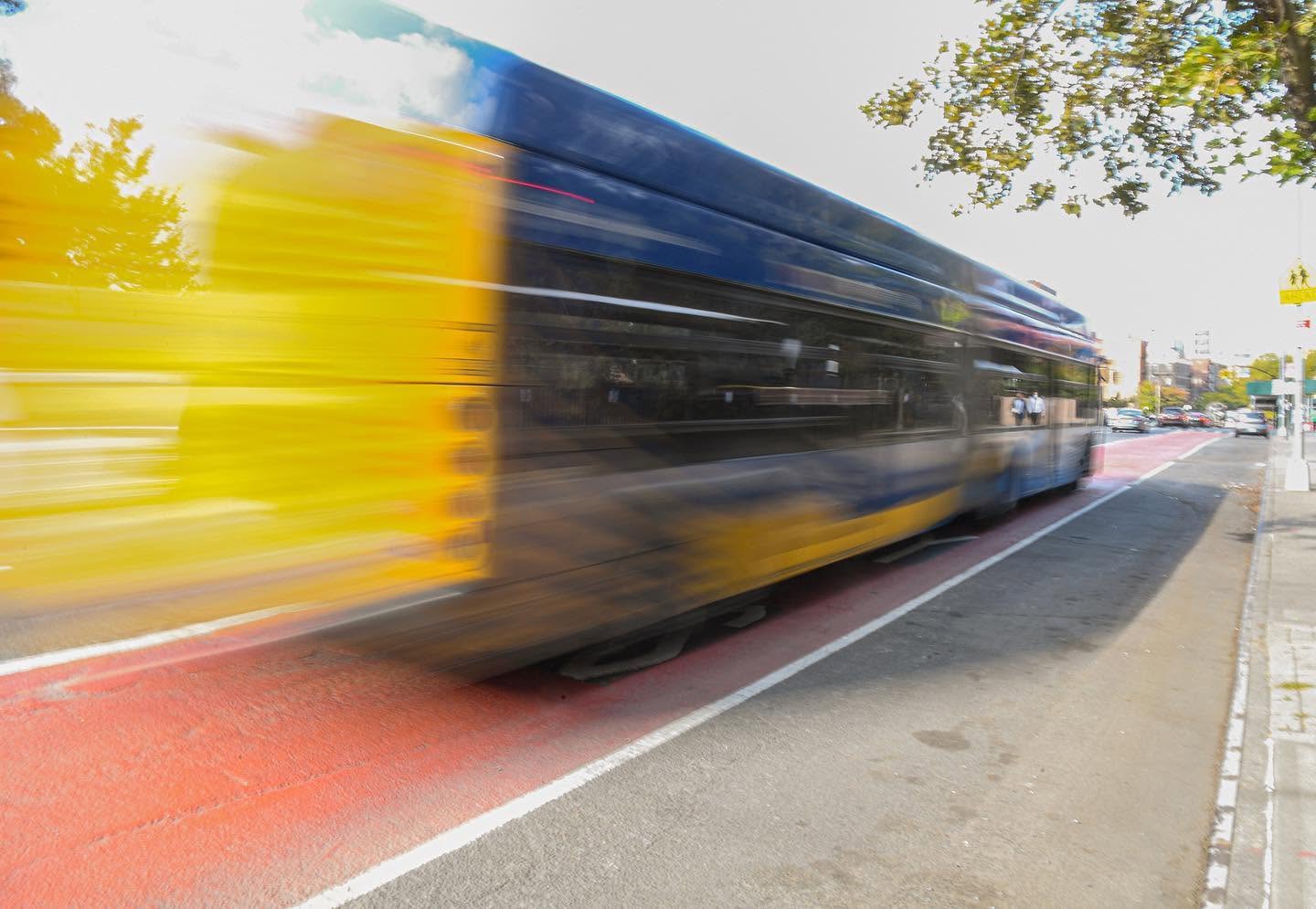
The program also places strong emphasis on improving the passenger experience. As part of this, by 2030, 65 bus stops a year will be made fully accessible; 300 new bus shelters will be built by 2028; and benches will be installed at 875 stops annually to ensure that every suitable stop has seating by 2035. In addition, in 2026 trees will be planted and new shading solutions tested at 30 bus stops to reduce summer heat stress, while as part of improvements to real-time passenger information, 90 new displays will be installed in the same year, with the number rising to 2,900 citywide by 2030.
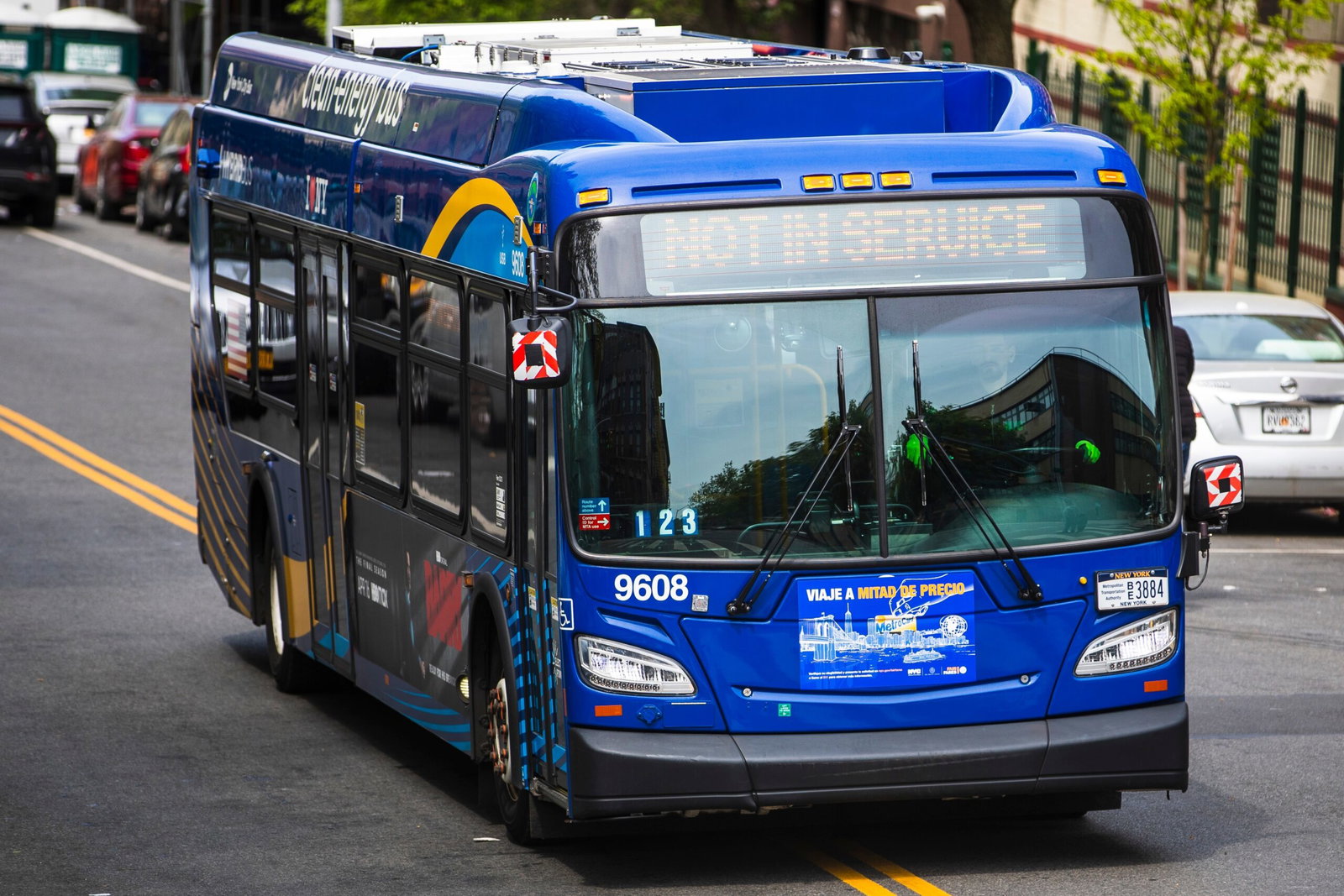
To make bus lanes work more effectively, automated camera enforcement systems will also be further expanded. Based on current experience, their use has increased bus speeds on some routes by as much as 30%, while reducing the number of traffic accidents by 20%. As a continuation of this effort, on-board camera enforcement will be introduced on 25 new bus routes each year in 2026 and 2027, and a further 200 fixed bus-lane enforcement cameras will be installed by 2027. The police will also expand their targeted bus-lane enforcement program.
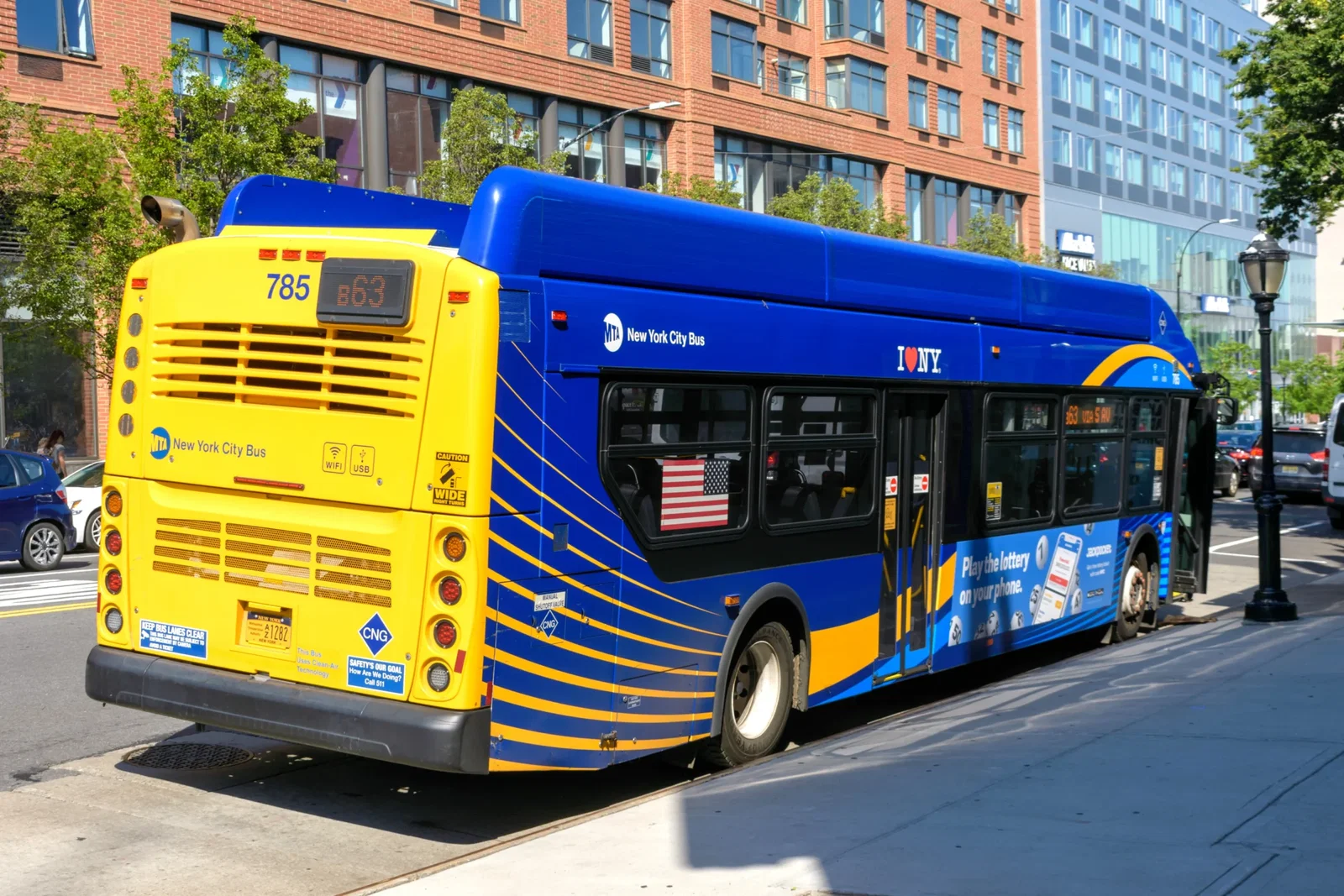
The implementation of the improvements will be preceded by broad public consultation. Before the projects are launched, public forums, surveys and professional consultations will be held, and within 6–12 months after the investments are completed, the results achieved will be published, including changes in journey times, punctuality and the passenger experience.