![Magyarbusz [Info]](/mbi/header-logo.png)
Intelligent bus stop approach and Skyhook suspension: ZF prepares for IAA with new technologies
 Ludányi József
ZF Friedrichshafen AG has presented its latest technologies developed for city buses ahead of the IAA Transportation 2026 trade fair in September. The company’s aim is to simultaneously improve traffic safety, accessibility and passenger comfort, while reducing operating costs, by intelligently coordinating the various vehicle systems.
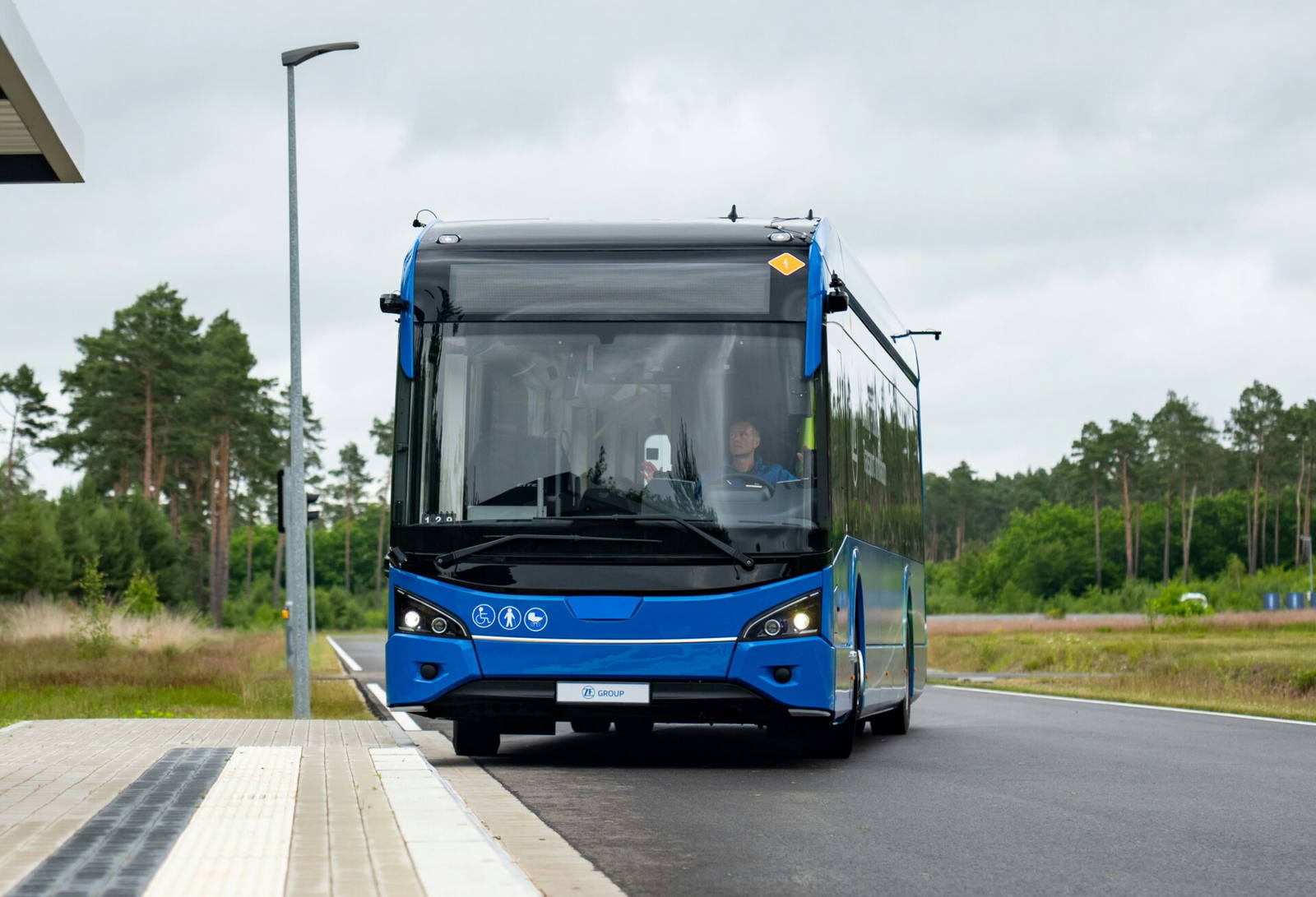
One of the most important new developments is City Bus Assist, which ZF has now unveiled for the first time. Based on sensor technology, the system supports the driver with automatic steering assistance when approaching bus stops. It detects the kerb, calculates the optimum trajectory for the bus and, once the vehicle is in the correct position, takes over active steering, guiding the bus to an optimal distance from the kerb. ZF’s objective is to ensure consistently high-precision docking at every stop. The system also works together with the chassis control: when arriving at the stop, it automatically activates the kneeling function, further reducing the vertical distance between the floor and the pavement and making boarding and alighting easier for passengers travelling with wheelchairs or pushchairs, as well as those with reduced mobility. According to ZF, more precise stopping not only improves accessibility, but also reduces lateral tyre wear, which can result in longer service life and lower operating costs.
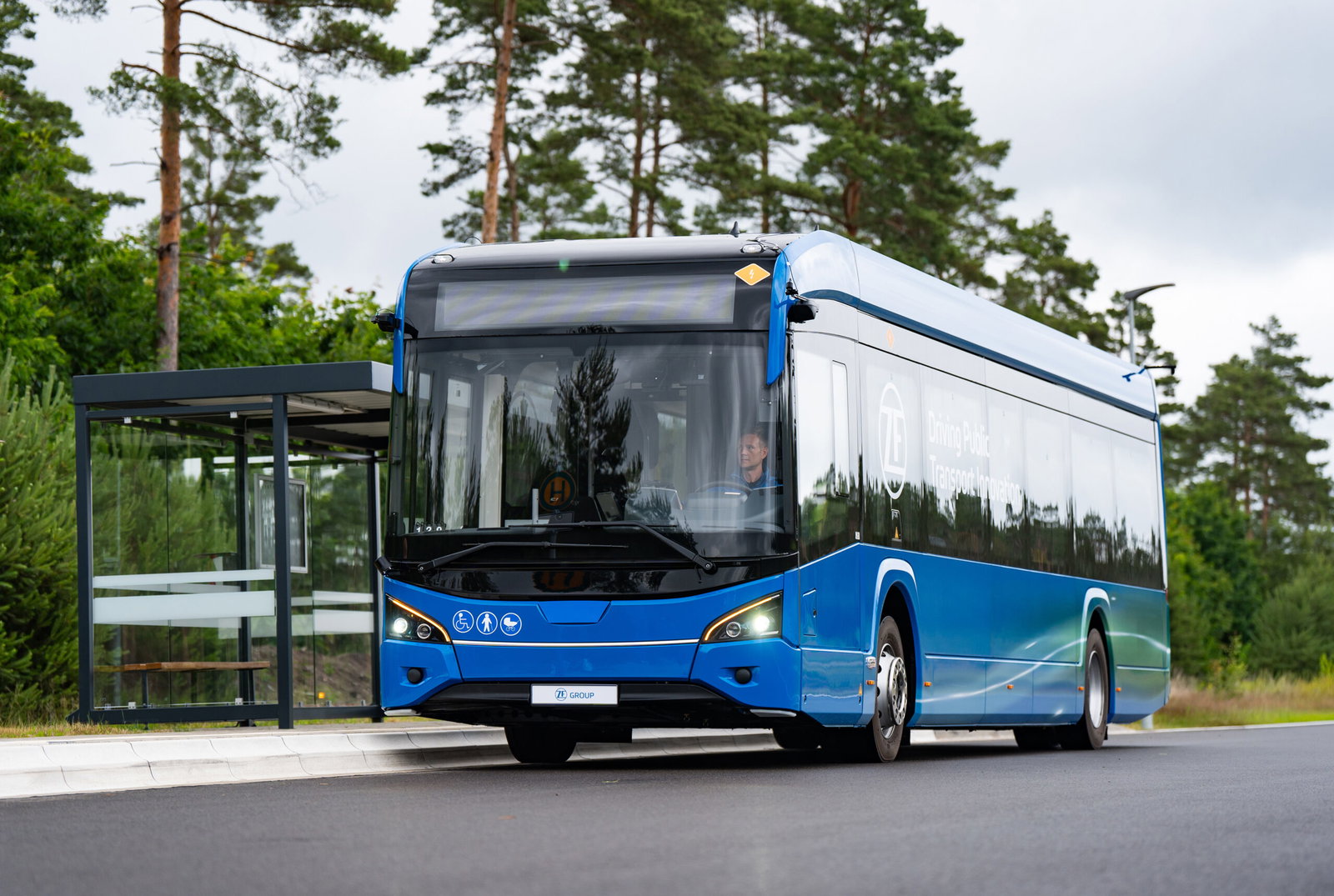
ZF sees the development of City Bus Assist as a clear indication of the direction in which modern buses are heading: driver assistance systems, steering, chassis, braking systems and vehicle control software are working together ever more closely. The continuous exchange of data between individual systems enables them to support the driver in a coordinated manner rather than separately, while improving safety, passenger comfort and operational efficiency.

ZF’s technologies also include the City Bus CMS urban emergency braking assistant, developed specifically for buses. The system recognises vehicles, cyclists and pedestrians and, if necessary, brakes automatically to avoid or mitigate collisions. Unlike conventional emergency braking assistants, its braking characteristics have been designed specifically to enhance the safety of standing passengers, while it is already being used today in vehicles from several major bus manufacturers.

Another important element of ZF’s offering is the CDC Skyhook semi-active suspension control system, which adjusts the damping force of the electrohydraulically controlled hydraulic shock absorbers in real time to current road conditions and vehicle movement. The system continuously analyses factors including body movement, wheel load, speed, steering angle, and the intensity of acceleration and braking, then uses this data to determine the optimum damping within milliseconds.
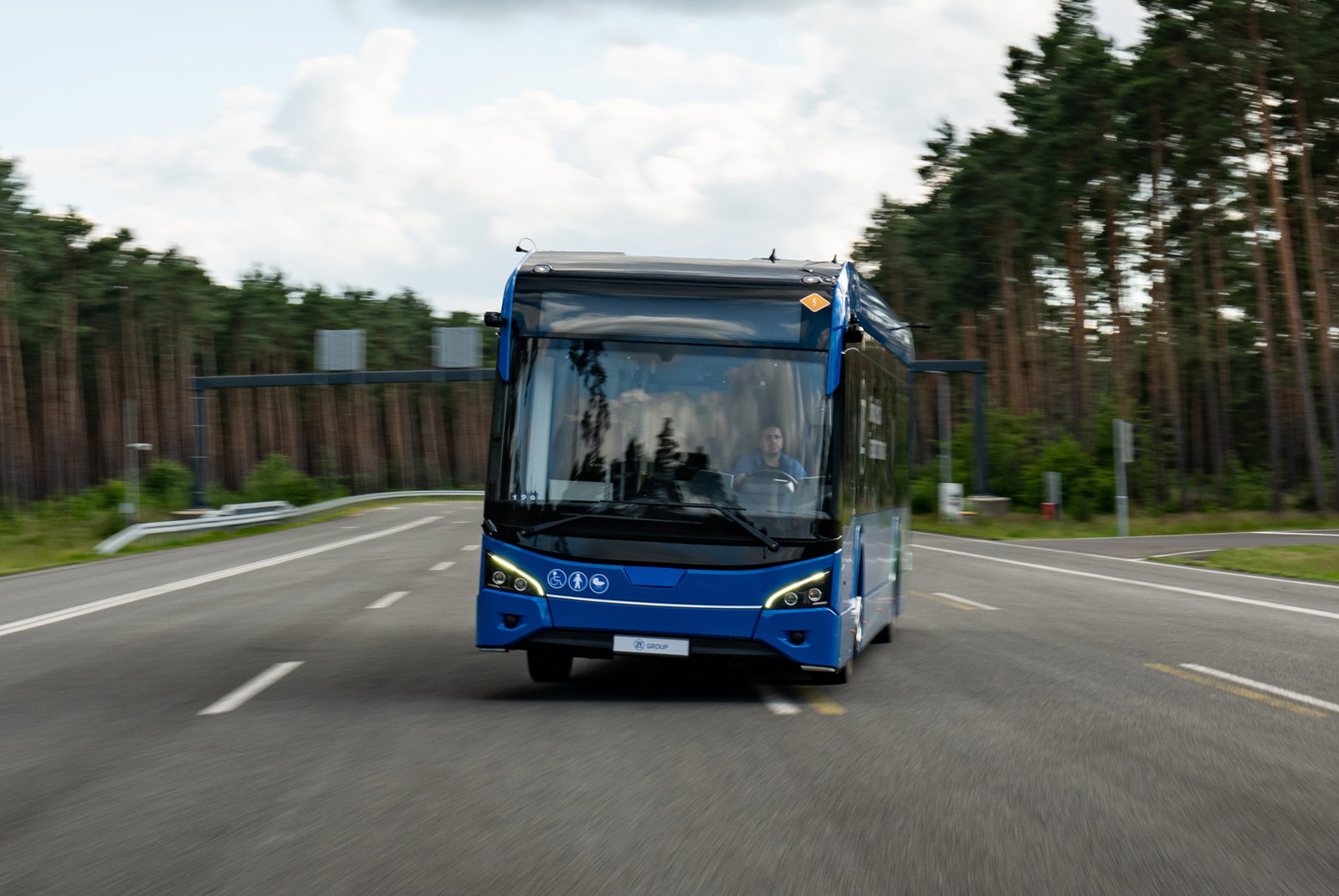
The name Skyhook refers to a control principle developed in 1974, according to which the vehicle body should be stabilised as if it were being held by an imaginary shock absorber fixed to the sky – a “sky hook”. In practice, this is achieved by an advanced control algorithm that continuously regulates the damping force of the shock absorbers using electrohydraulic valves. As a result, the system is able to adapt to road irregularities, braking or cornering even before the body moves significantly, reducing pitch, roll and vibration while improving ride comfort and vehicle stability. It offers a particularly noticeable advantage in urban transport, which is characterised by frequent stops, braking and changing road conditions.

The company’s portfolio is further strengthened by the e-comp Scroll electric air compressor, which supplies compressed air for the braking system and air suspension. Thanks to its oil-free design, it operates more quietly and with less vibration than conventional compressors, while also requiring less maintenance. This is a particular advantage in electric buses, where the noise of auxiliary equipment is much more noticeable due to the quiet driveline.

ZF emphasised that the developments now presented form part of a much broader bus industry portfolio. In addition to driver assistance systems, braking, steering and suspension technologies, the company’s range also includes electric drive systems – including the AxTrax 2 LF electric portal axle – as well as digital fleet management solutions such as ZF Bus Connect. The company’s goal is to bring safer, more efficient and more passenger-friendly buses into service in the coming years through the ever closer integration of these technologies.
..