![Magyarbusz [Info] International](https://bunny-wp-pullzone-9e1je37kud.b-cdn.net/wp-content/uploads/2025/06/cropped-cropped-mbi_sby_v1-scaled-1.png)

This year marks not only the thirtieth anniversary of the creation of EvoBus – now Daimler Buses – through the 1995 merger of the Mercedes-Benz and Setra brands, but also the thirtieth anniversary of the Turkish bus manufacturing plant belonging to Daimler Truck AG’s bus division. Operated by Mercedes-Benz Türk A.Ş. and located in Istanbul’s Hoşdere district, the bus factory was considered one of the world’s most advanced facilities of its kind when it opened in 1995, and it continues to play a pivotal role within the company’s European production network. Approximately two-thirds of the vehicles produced at the plant are destined for export, primarily to European, Middle Eastern, Central Asian, and North American markets, making Hoşdere a significant production center in Daimler Buses’ global system.
Mercedes-Benz’s presence in Turkey dates back nearly sixty years. Daimler-Benz AG, in collaboration with two Turkish partners, established Otomarsan A.Ş. (Otobüs ve Motorlu Araçlar Sanayi) on December 3, 1966, which operated a bus factory in Istanbul’s Davutpaşa district. From 1968, Mercedes-Benz O 302 city and intercity buses were manufactured under license, with a total of 14,430 units produced in Turkey by 1984.
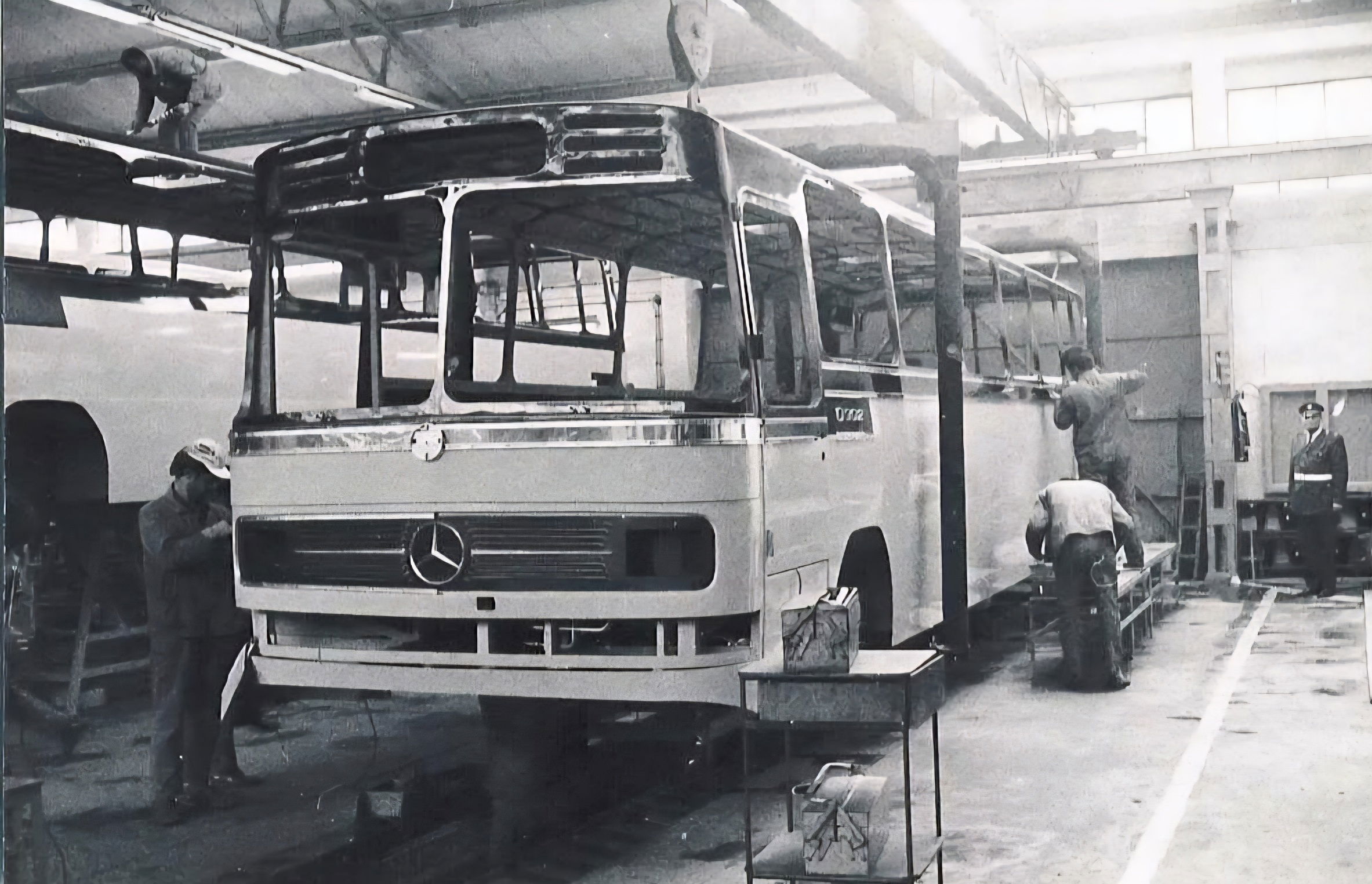
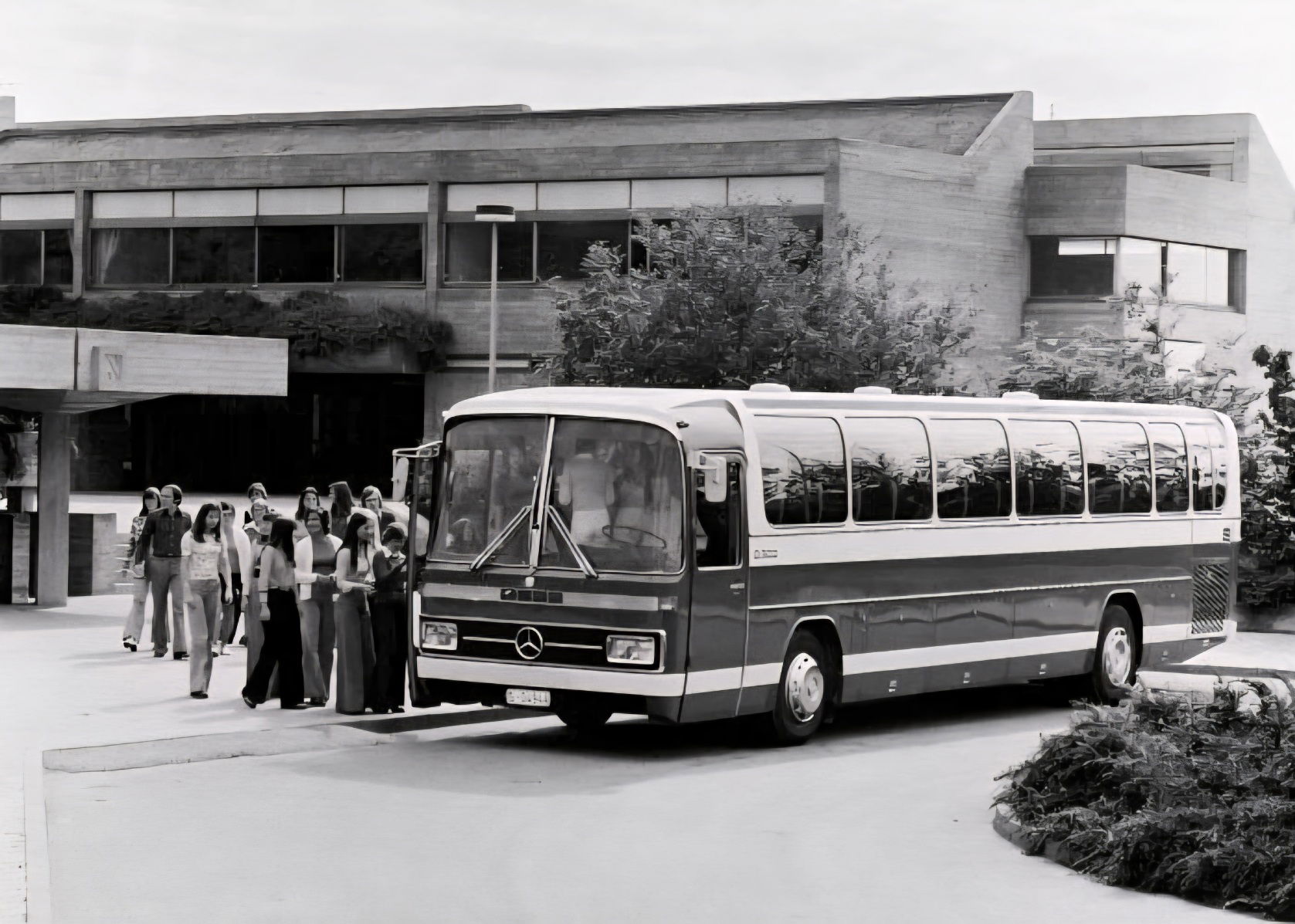
In 1987, production entered a new phase with the introduction of the 12-meter Mercedes-Benz O 303 long-distance bus manufacturing program. This model enabled the company to make its first targeted export moves towards Western European markets.
The year 1990 marked a turning point in the company’s history when the German parent company increased its ownership stake from 36% to 50.3%, gaining a majority interest in Otomarsan. As a result, the company officially operated under the name Mercedes-Benz Türk A.Ş. from November 11, 1990, formally integrating into Daimler’s global structure.
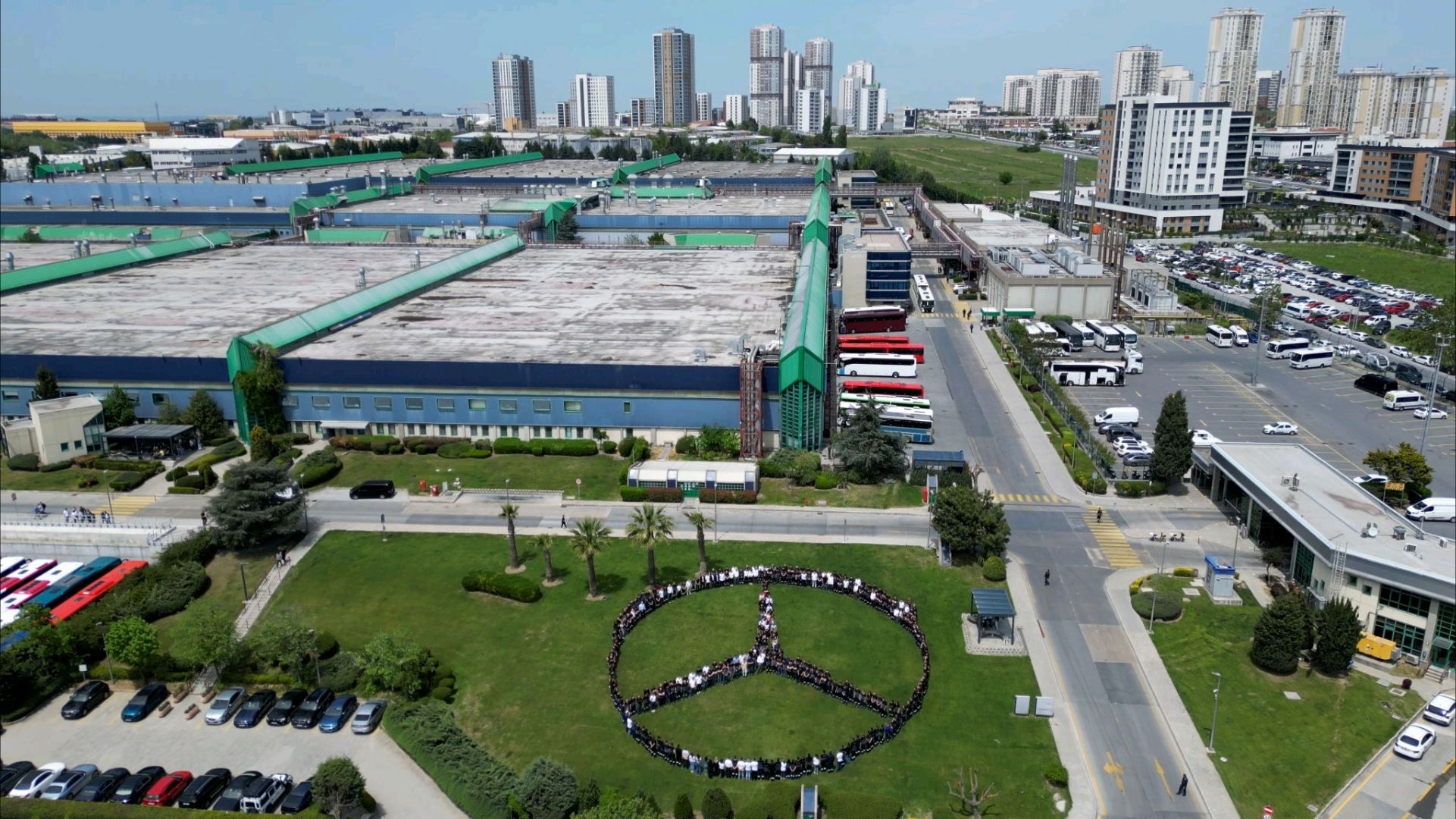
The next significant step was the opening of the Hoşdere bus factory in the summer of 1995, which initially began operations with a covered hall area of 30,000 square meters and an annual capacity of 2,000 units. Over the past three decades, the facility has gradually expanded and modernized, now providing the entire bus manufacturing process in-house: from body construction and cathodic dip coating to interior design, painting, and final assembly. The factory is currently a key element of Daimler Buses’ international development and production network.

Today, the factory in Hoşdere has become Daimler Buses’ largest bus manufacturing site, having produced nearly 88,000 buses since its inception, with more than 67,000 exported to over 70 countries. Currently employing over 4,500 people, the plant is a major player in Turkey’s heavy vehicle industry.

Mercedes-Benz Türk operates the Hoşdere facility not only as a production site but also as a comprehensive engineering and development center. The factory, inaugurated in 1995, now operates on 415,000 square meters, with approximately 85% of its production exported, primarily to Europe, but also present in the Middle East and other continents. The number of vehicles produced annually is about three times the total demand of the Turkish bus market, making Hoşdere a global production unit.
Initially operating with a workforce of 180, the plant has provided direct employment for around 10,000 people over the past three decades. However, through its local supplier and logistics network, the employment impact is much broader, making the factory an important driver of regional economic development. Production capacity has increased by more than 125% compared to the initial annual capacity of 2,000 units. Over the past three decades, the factory has been the site of investments totaling more than 600 million dollars. These include a stainless steel body shop, advanced water recovery and wastewater treatment systems, and an Industry 4.0-based structural component and door manufacturing facility. The factory’s current annual export revenue is approximately 480 million euros.
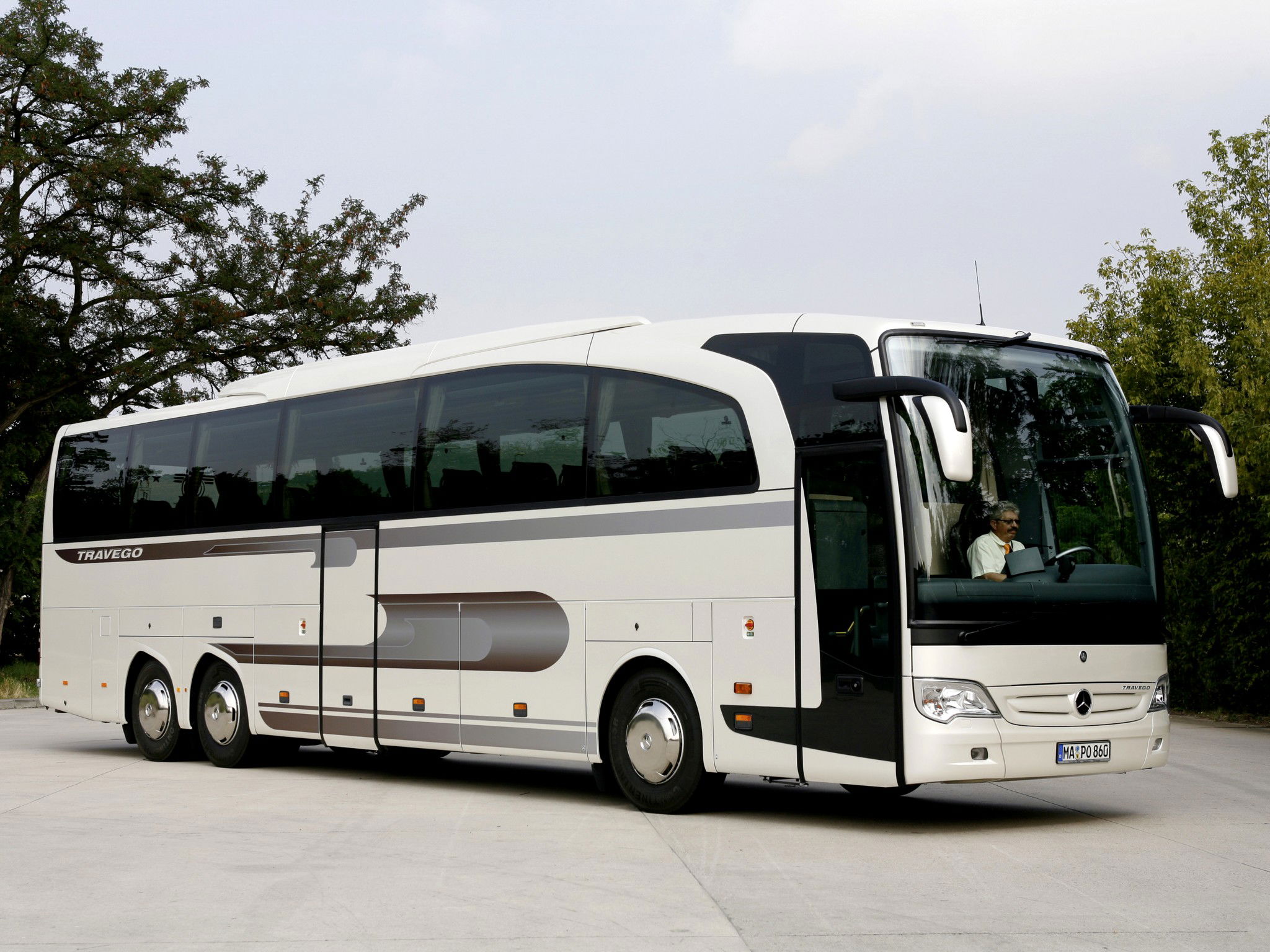
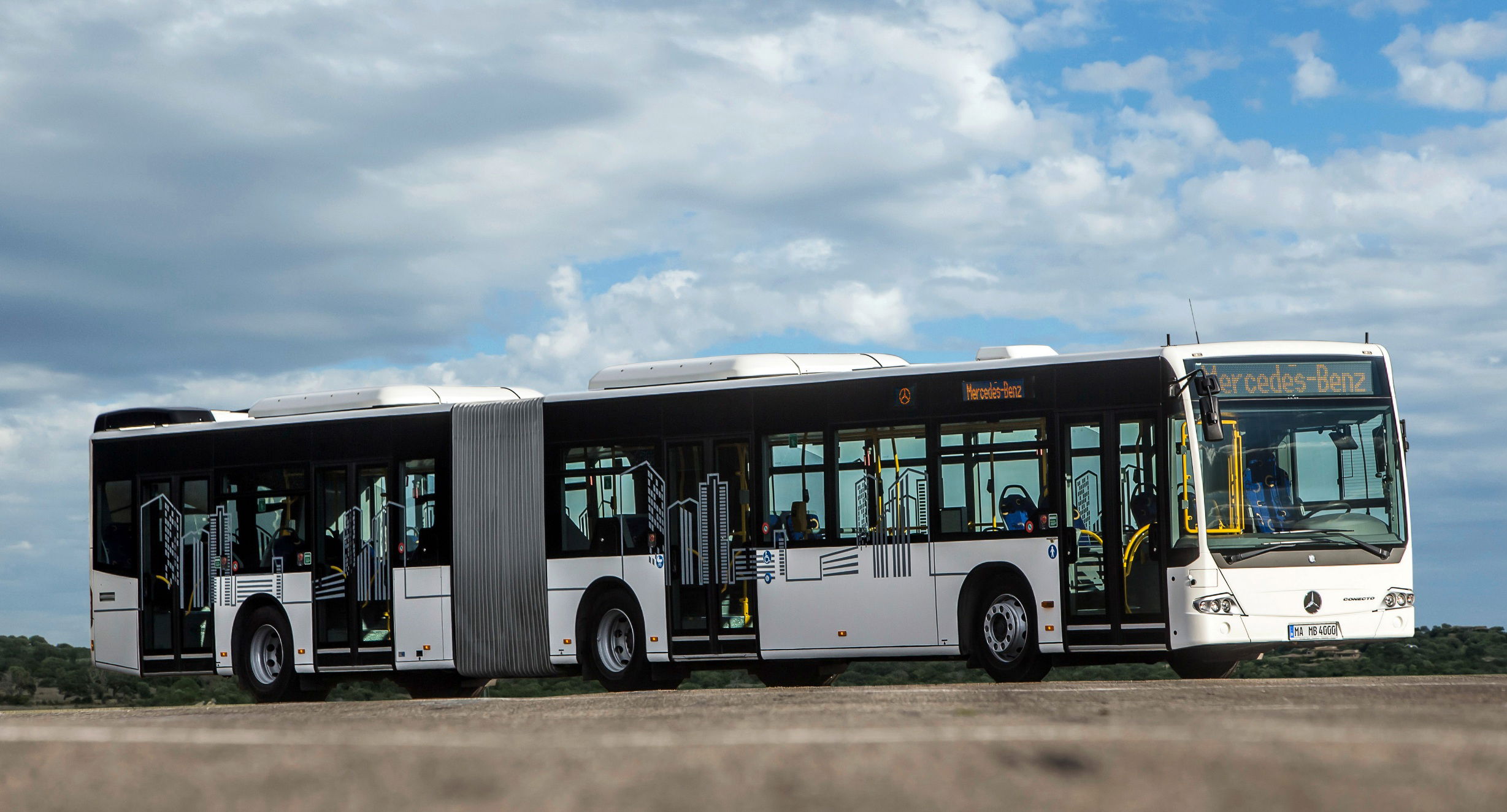
One of the key milestones in the factory’s development was the investment program associated with its tenth anniversary, totaling approximately 150 million euros, which included the establishment of Turkey’s first and Europe’s fourth cathodic dip coating corrosion protection system – the latter alone required an investment of about 10 million euros. This technology not only guarantees the long-term corrosion resistance of frame structures but also enabled the local production of the high-end Travego long-distance bus. In addition to the Travego, several other models, such as the Tourismo, Intouro, the city traffic-oriented Conecto, the North American market-bound Tourrider, and certain Setra models, are also manufactured at the Hoşdere facility. The foundations of manufacturing activities were laid with the 0403 model in 1995, and since then, the model range has gradually expanded to meet the changing needs of international markets.
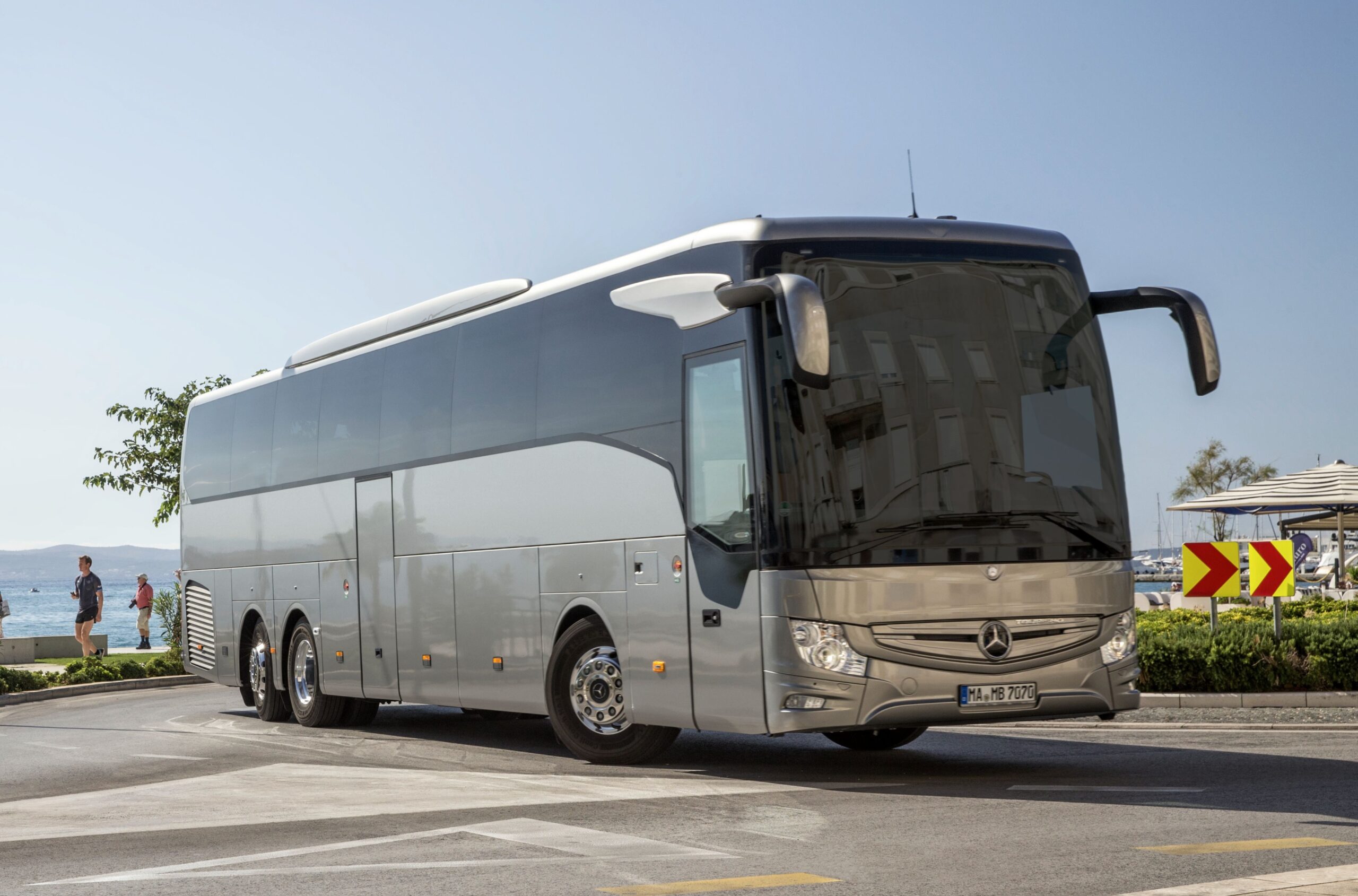
The Hoşdere production is supported by advanced technologies and environmental solutions. The plant has its own cogeneration (combined heat and power generation) system, which covers the entire electricity demand, and in the winter months, it provides about 40% of the heating needs, while in the summer, it supplies part of the cooling energy required for air conditioning.

More than 60% of the vehicles are built from locally manufactured components, significantly contributing to the development and stability of the Turkish supplier background. In addition to manufacturing, the Hoşdere facility is also a key site for research and development activities. The Mercedes-Benz Türk automotive R&D center located here is involved in both bus and truck development and is an integrated member of Daimler’s global IT service network.
 Related Articles


