![Magyarbusz [Info] International](https://bunny-wp-pullzone-thjj7ocpga.b-cdn.net/wp-content/uploads/2025/06/cropped-cropped-mbi_sby_v1-scaled-1.png)

This article has been translated using AI-powered tools. While we strive for perfect accuracy, some nuances may differ from the original Hungarian version.
The rise of zero-emission buses is fundamentally transforming not only public transportation but also the vehicle manufacturing industry itself. In line with this trend, Polish manufacturer Solaris has made another significant investment at its Bolechowo plant: a modern 40-meter-long elevated work platform has been installed, making the production of electric and hydrogen-powered buses faster, safer, and more efficient.
The investment is driven by the continuously growing demand for zero-emission vehicles. According to the manufacturer’s data, by 2025, 86% of the buses it produces will have zero or low emissions—meaning they will be battery-electric, hydrogen fuel cell, or hybrid-powered—while achieving the highest order backlog in the company’s history. To meet the increasing demand, it was necessary to further develop not only the production capacities but also the manufacturing processes.
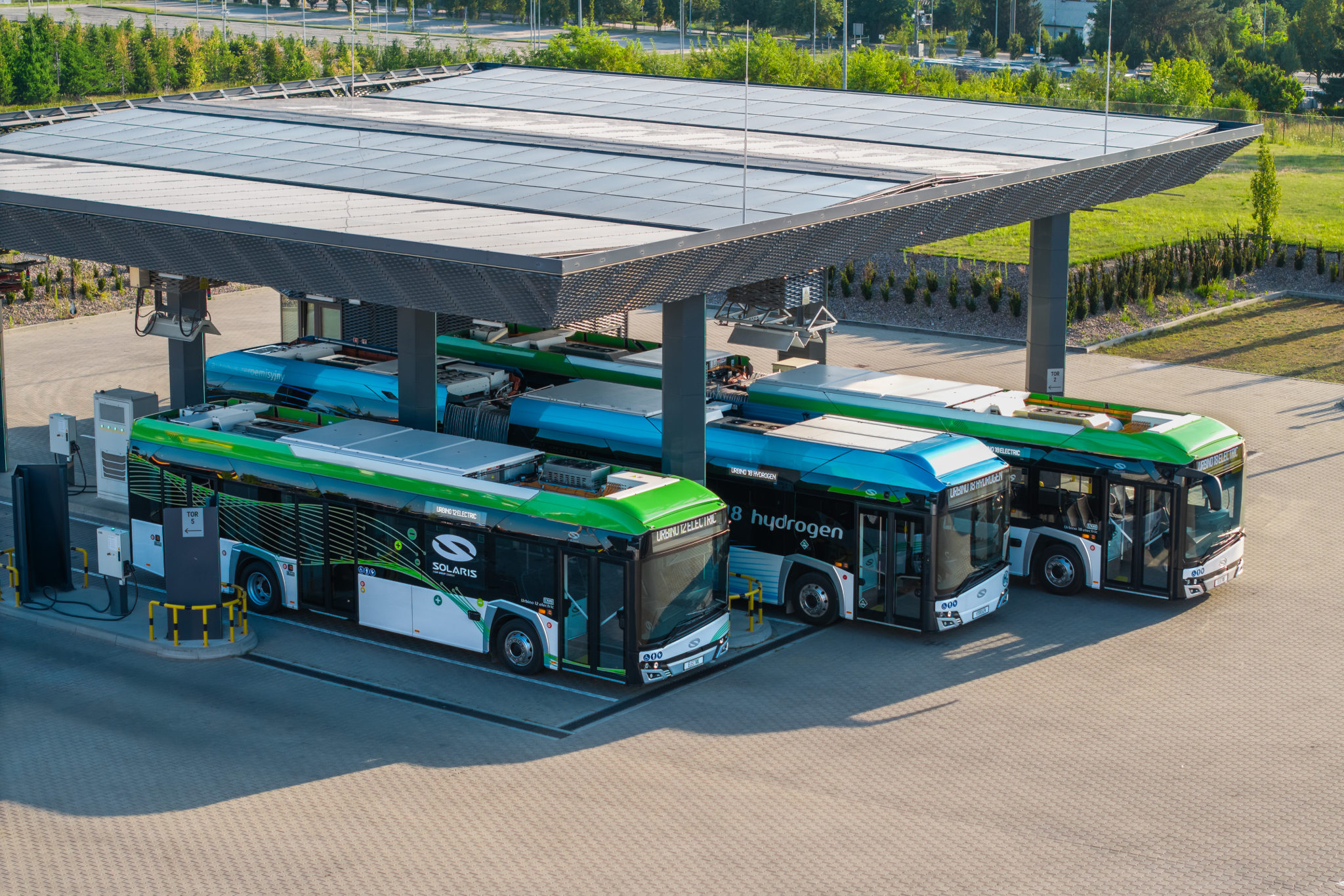
The construction of electric and hydrogen-powered buses significantly differs from that of traditional diesel vehicles. While previously the main drivetrain components were primarily located at the rear of the vehicle or in the engine compartment, in modern zero-emission buses, most of the key systems are placed on the roof. This includes battery packs, certain elements of the charging system, hydrogen storage tanks, the fuel cell system, as well as numerous high-voltage electrical devices and auxiliary units. This design allows the drivetrain components to occupy as little space as possible in the passenger area, while the importance of rooftop assembly work has significantly increased.
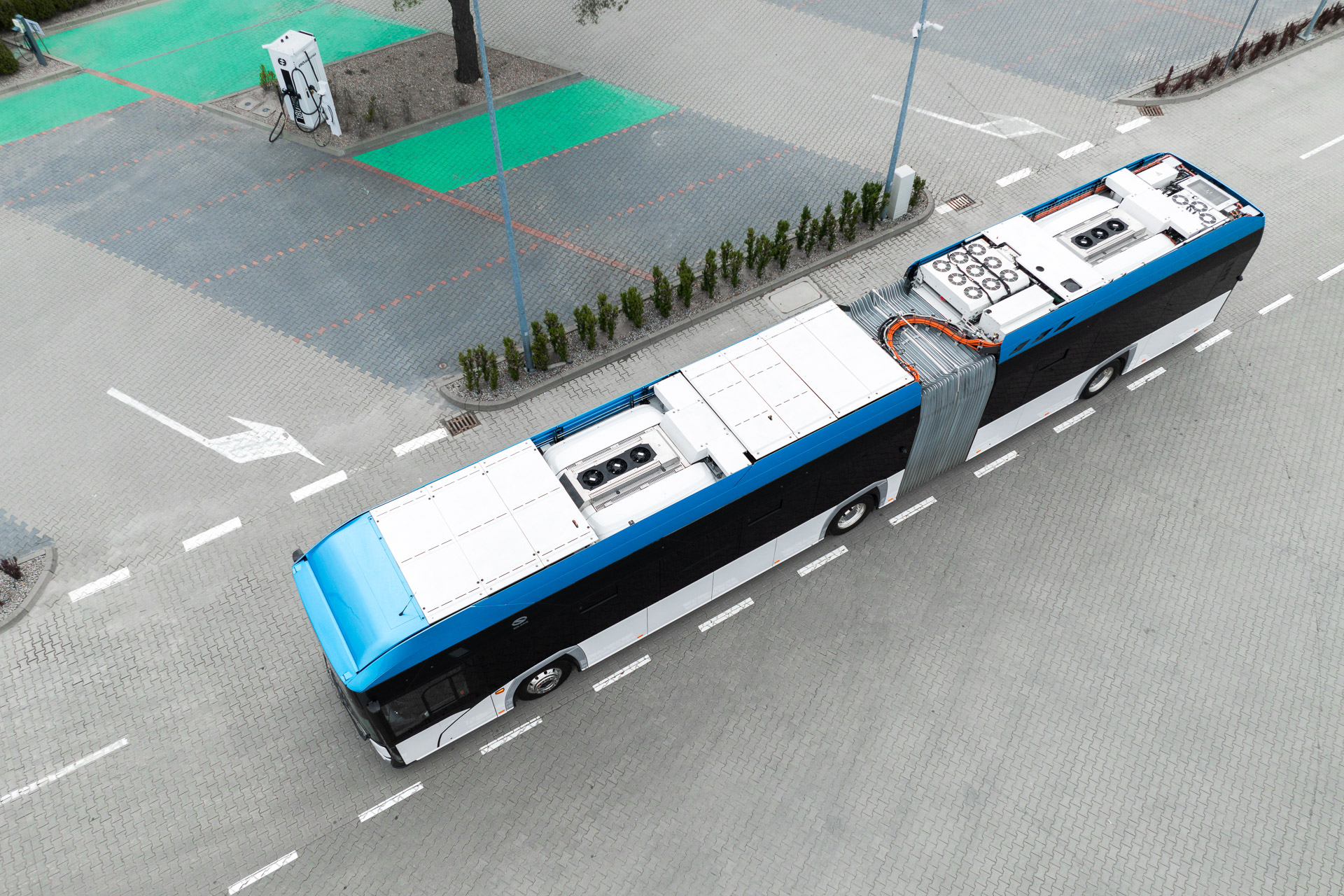
As part of the transformation of manufacturing processes, Solaris has commissioned a new 40-meter-long elevated work platform at its Bolechowo factory. The facility provides a safe working area for four assembly teams simultaneously, allowing rooftop assembly work to proceed in parallel with the vehicle’s interior and other assembly operations. This significantly reduces the time required to assemble a single bus, thereby increasing manufacturing efficiency.
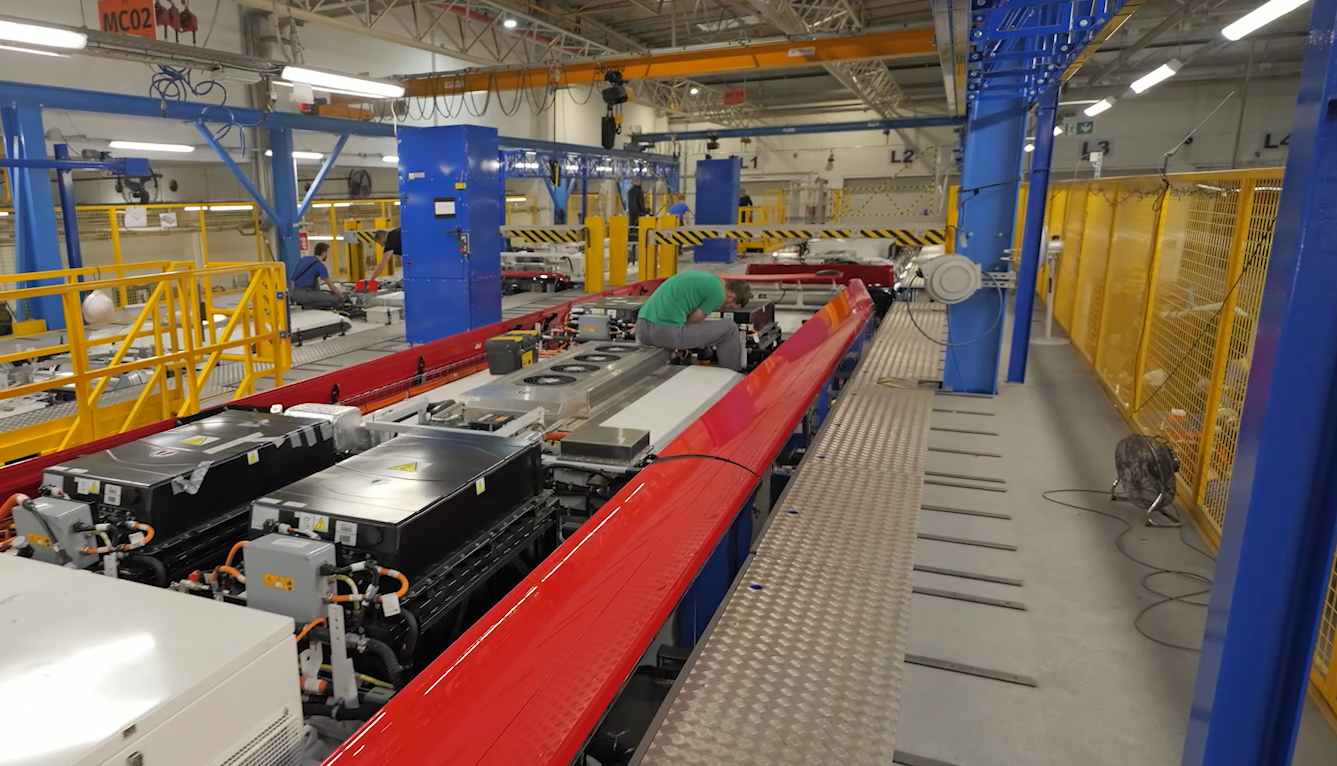
The platform’s uniqueness lies in its movable structure, which automatically adapts to the size and contours of the incoming bus. Workers access the work level via a secure staircase, and thanks to the built-in fall protection system, there is no need for additional safety harnesses or helmets. According to the manufacturer, this not only significantly improves work safety but also enhances worker comfort and ergonomic conditions.
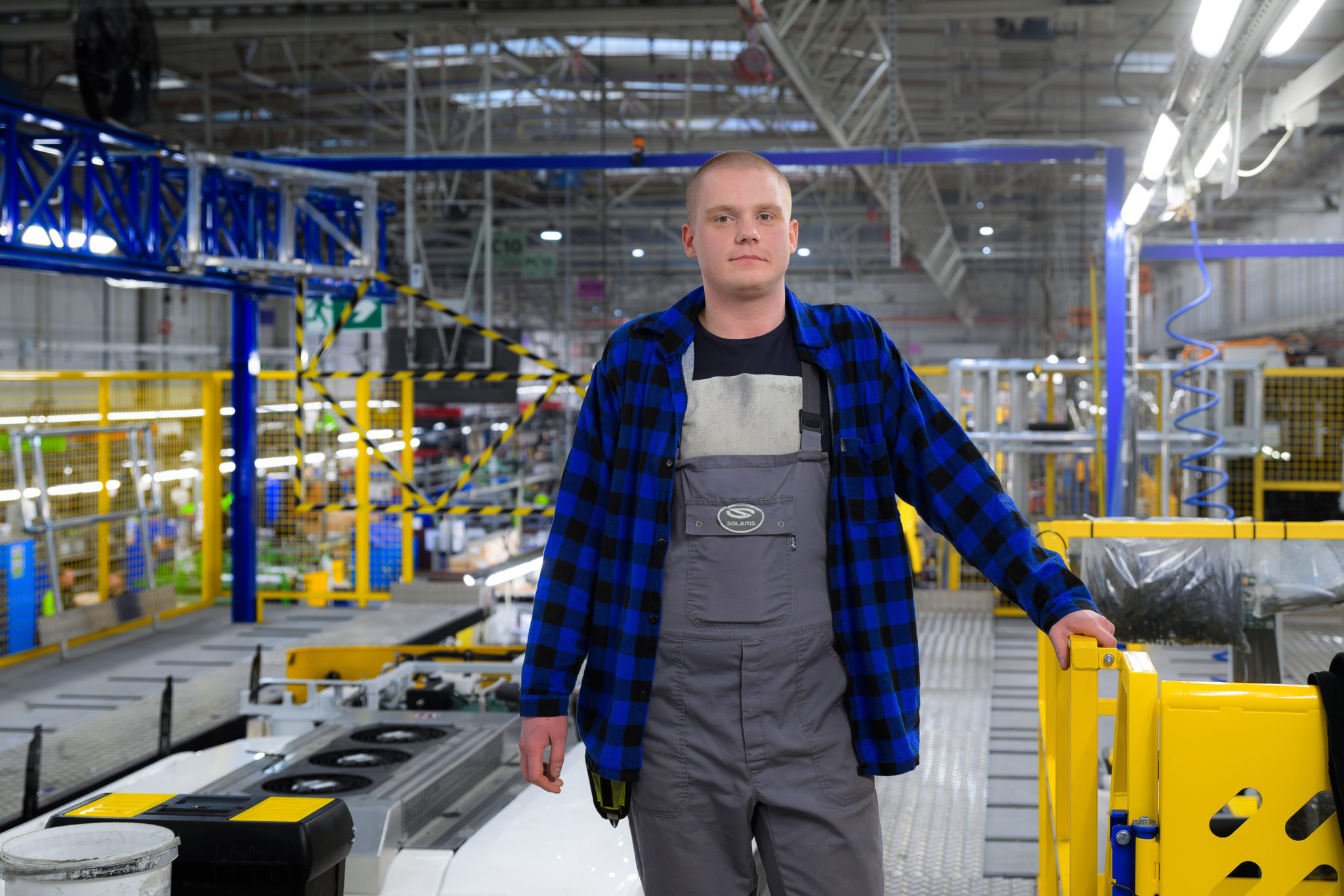
According to Solaris, the new elevated work platform is part of the company’s ongoing manufacturing development program. The company regularly upgrades its assembly and welding lines to maintain production efficiency and improve work safety amid a growing order backlog. This equipment is one of the latest elements of this development program, aiding in the faster and safer completion of rooftop assembly work.
This article has been translated using AI-powered tools. While we strive for perfect accuracy, some nuances may differ from the original Hungarian version.
 Related Articles


