![Magyarbusz [Info] International](https://bunny-wp-pullzone-thjj7ocpga.b-cdn.net/wp-content/uploads/2025/06/cropped-cropped-mbi_sby_v1-scaled-1.png)

This article has been translated using AI-powered tools. While we strive for perfect accuracy, some nuances may differ from the original Hungarian version.
The last member of the 22-strong fleet of Yutong U12 trolleybuses with off-wire capability ordered by Bucharest from the Chinese manufacturer last summer through Anadolu Automobil Rom has recently arrived in Romania. Production and delivery of the vehicles took less than six months in total, an unusually short lead time for trolleybus procurements. The delivery also marks a milestone: these are the first Yutong trolleybuses built by the Chinese manufacturer for a European customer, and at record speed.
In connection with the tender, it is worth noting that neither Solaris, which had previously delivered exactly one hundred trolleybuses to Bucharest, nor the Škoda Group took part in the 22-vehicle procurement, even though both manufacturers have for many years been key players not only in the Eastern European trolleybus market, but also in Romania. Yutong, however, did not stop at Bucharest; last year the manufacturer also achieved a major success in Western Europe when it won an order to supply a total of 69 U12 and U18 battery trolleybuses for Transdev’s concession in the Netherlands. In addition, together with Electrobus Europe Zrt., it was also declared the winner of Budapest’s 160-unit trolleybus tender, although reports suggest that the project has since stalled, and there is an increasing chance that the investment will ultimately not go ahead.
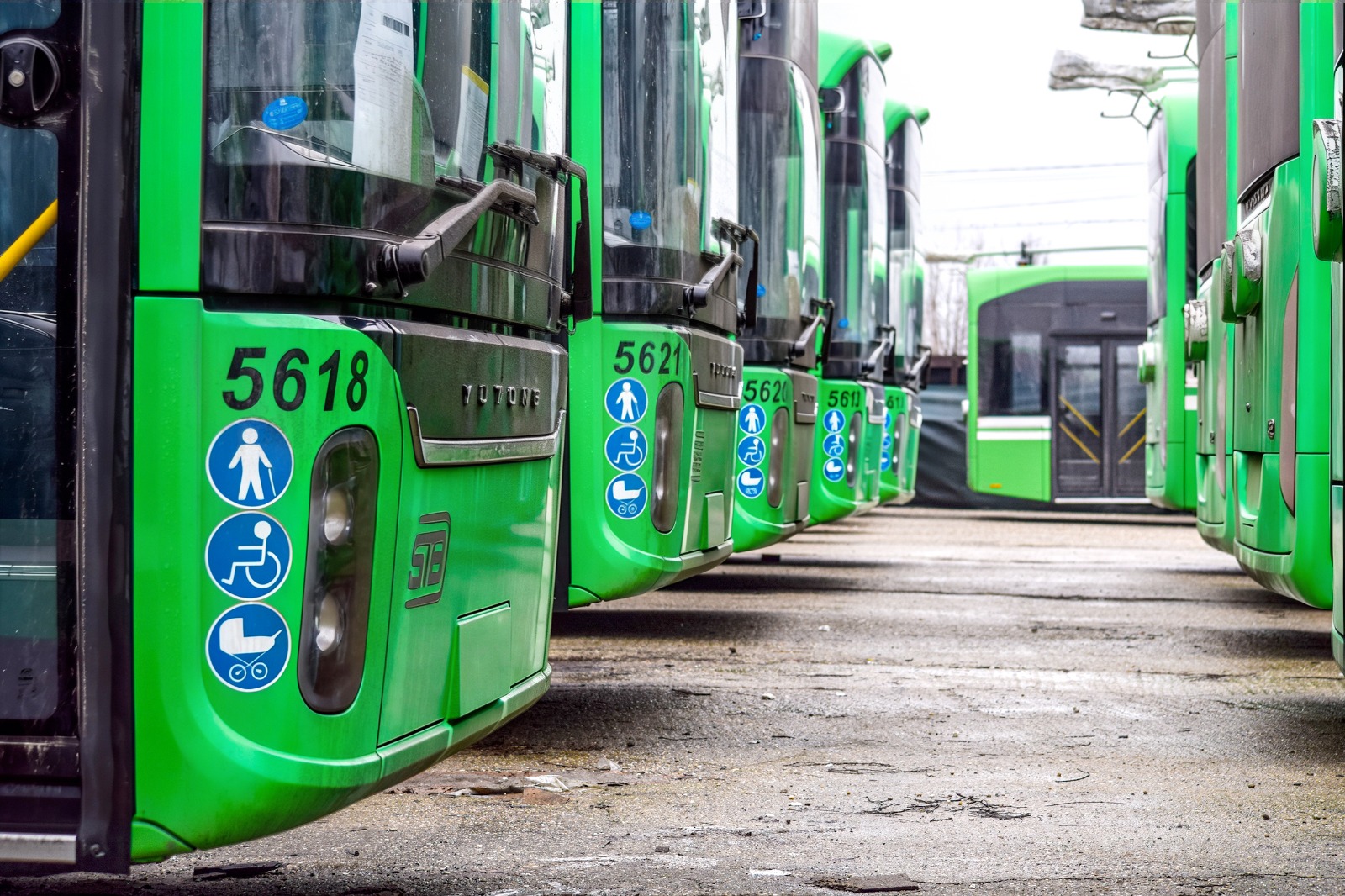
Under the contract, the tender winner has ten months to deliver the vehicles, meaning the deadline for completion is no later than the end of spring 2026. Although the trolleybuses are currently still at Anadolu Automobil Rom’s premises, handover is expected to take place ahead of the contractual deadline. The first units of the fleet will enter service on route 86 (Clăbucet – Arena Națională). The net value of the procurement is 70.4 million lei, equivalent to approximately HUF 5.2 billion; the project is being financed from non-refundable European Union funds. In parallel, Bucharest’s city administration is also working on preparations for the purchase of a further roughly 100 articulated trolleybuses, which could represent the next stage in the renewal of the capital’s trolleybus fleet.
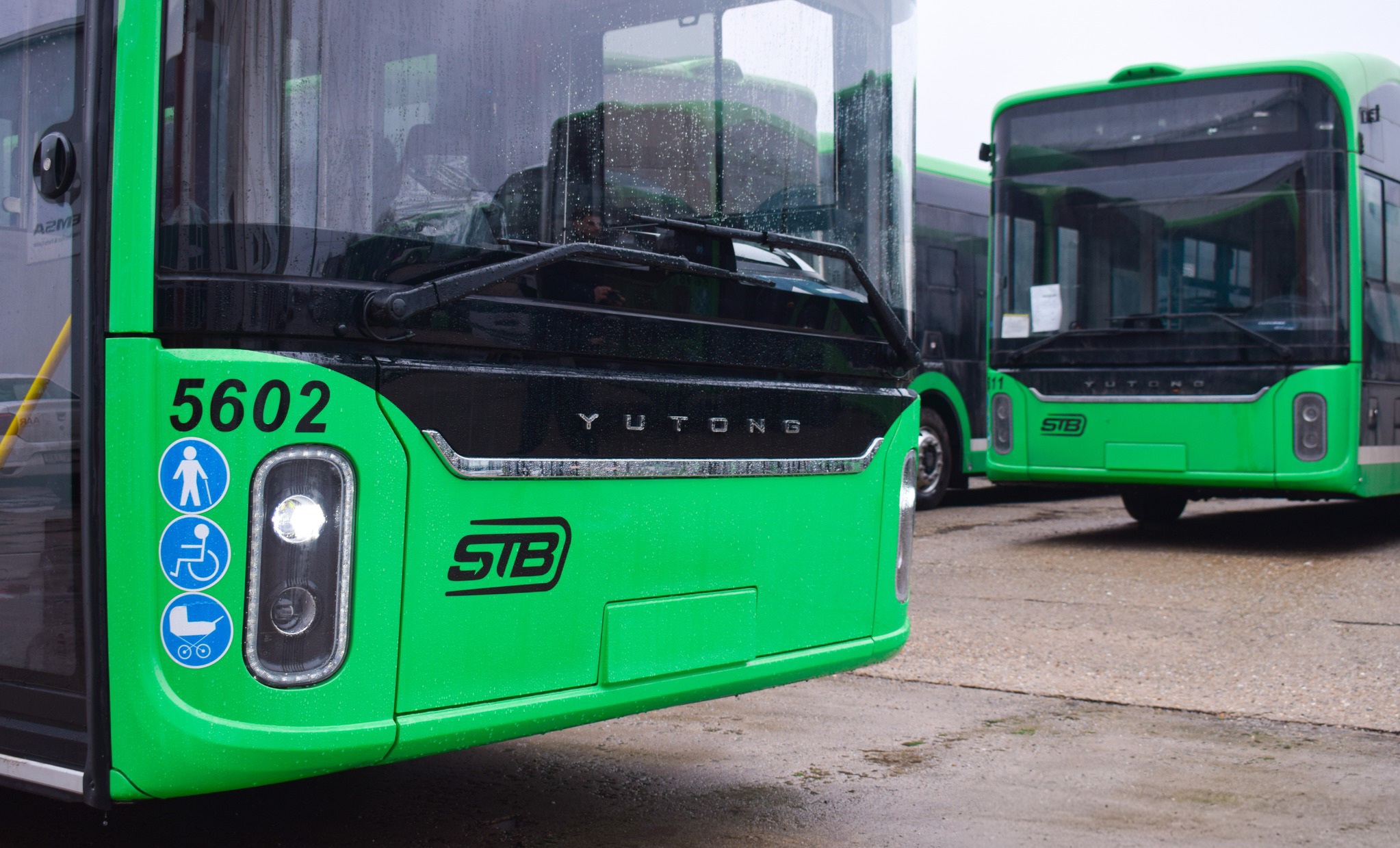
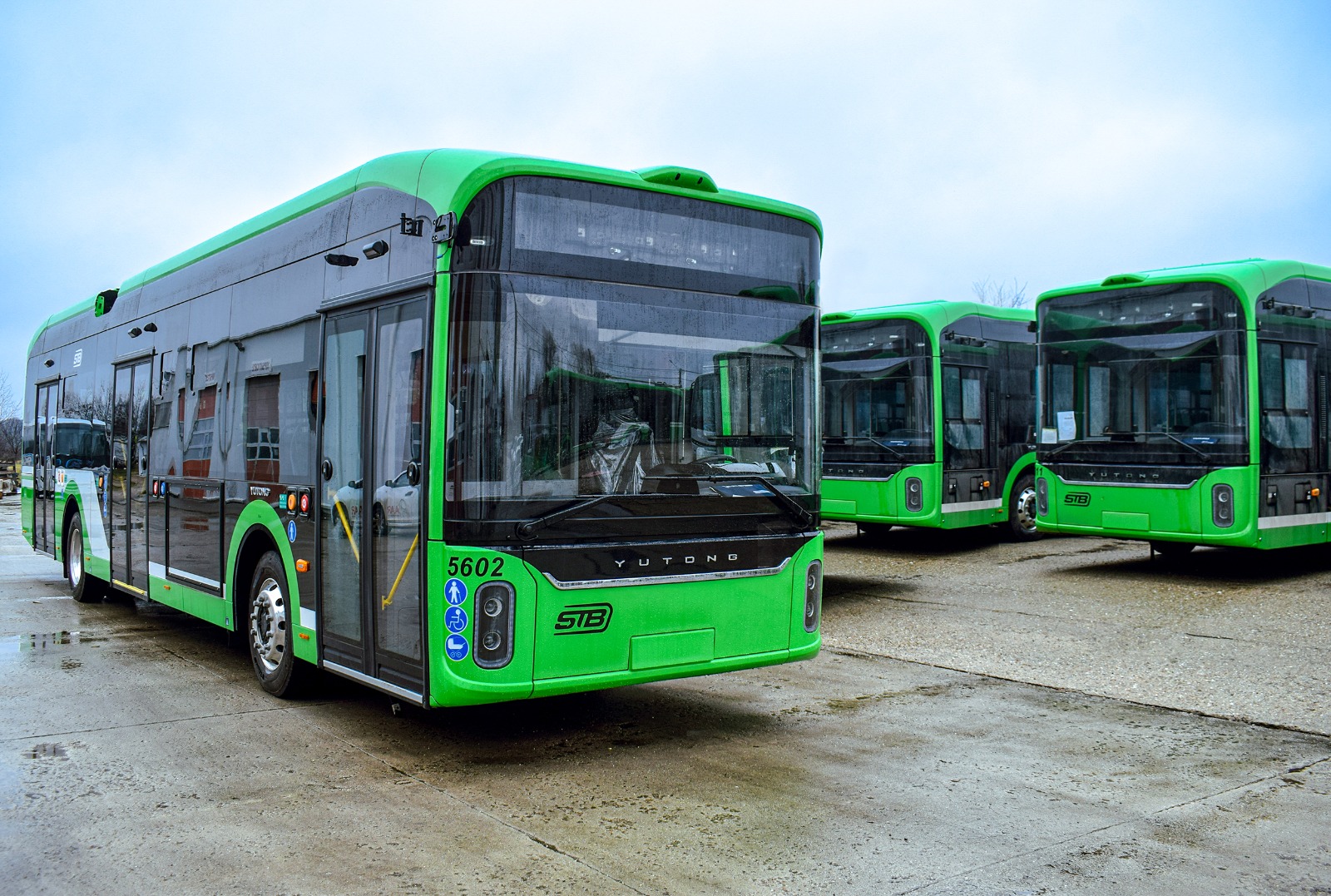
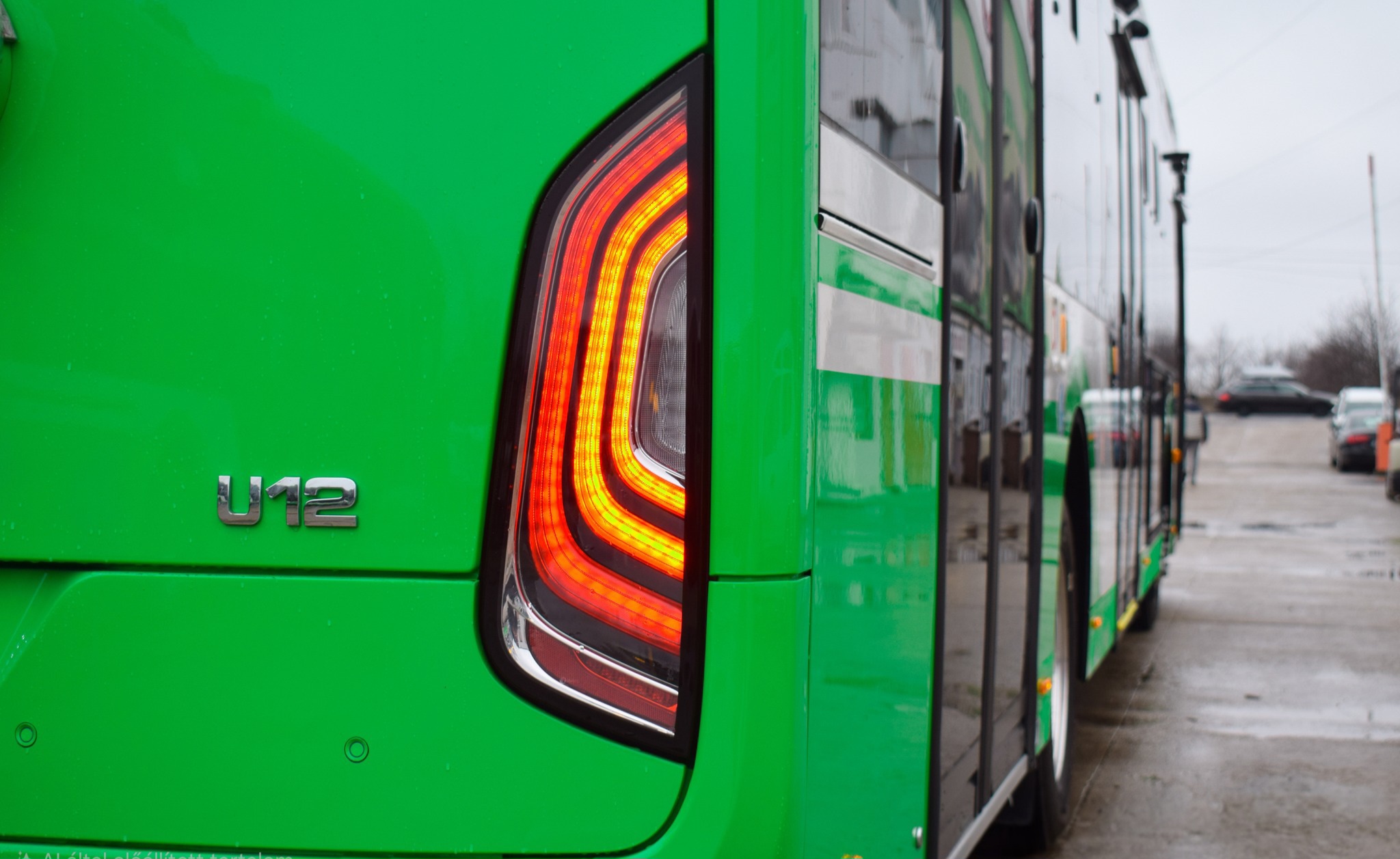
The Bucharest order can therefore be seen as a turning point in Yutong’s European expansion in the trolleybus market, as the manufacturer – although it has already sold more than two thousand battery-electric buses in Europe in recent years – is now supplying trolleybuses to the continent for the first time. The vehicles were built at Yutong’s Zhengzhou manufacturing complex, and are technically based on the manufacturer’s premium U12 battery-electric bus. Accordingly, this is not a conventional drive system developed specifically for trolleybuses, but a solution based on Yutong’s modern electric bus platform, supplemented with an architecture suitable for overhead-wire power supply.
The trolleybuses are driven by a centrally mounted permanent-magnet synchronous electric motor with a peak output of 260 kW, which has enhanced protection against water ingress and, according to the manufacturer, can operate with an efficiency of up to 97%. Thanks to the onboard energy storage system, the trolleybuses have an off-wire range of at least 20 kilometres, allowing them to operate independently of the overhead wires in the event of network gaps or diversions.
The vehicles are fitted with lithium iron phosphate (LFP) batteries manufactured by CATL, which differs somewhat from conventional European practice. On the continent, lithium titanate (LTO) chemistry, which better tolerates higher cycle counts and faster charging, is generally the established solution for trolleybuses capable of off-wire operation.
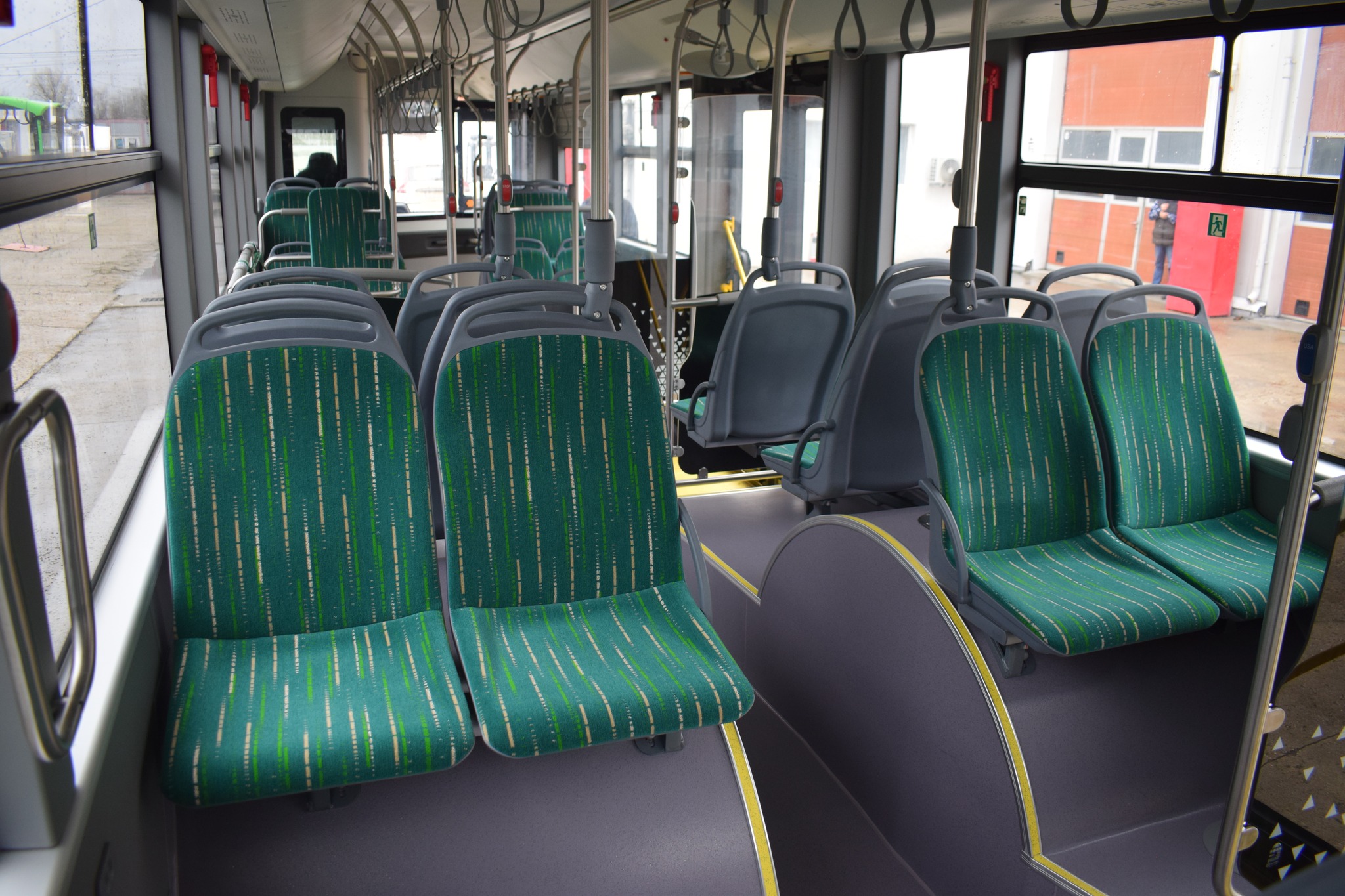
The capacity of the energy storage unit in the trolleybus version is, naturally, smaller than that of the battery-electric bus variant, but its design and safety concept are identical. Yutong’s multi-layer battery safety system provides protection against water ingress, fire and mechanical impacts, while advanced thermal management and continuous battery monitoring help prevent abnormal operating conditions. At module level, protection is provided by a crash-protection frame and a fire-resistant sandwich-structure enclosure, while the built-in nitrogen-based fire suppression system monitors the condition of the cells around the clock.
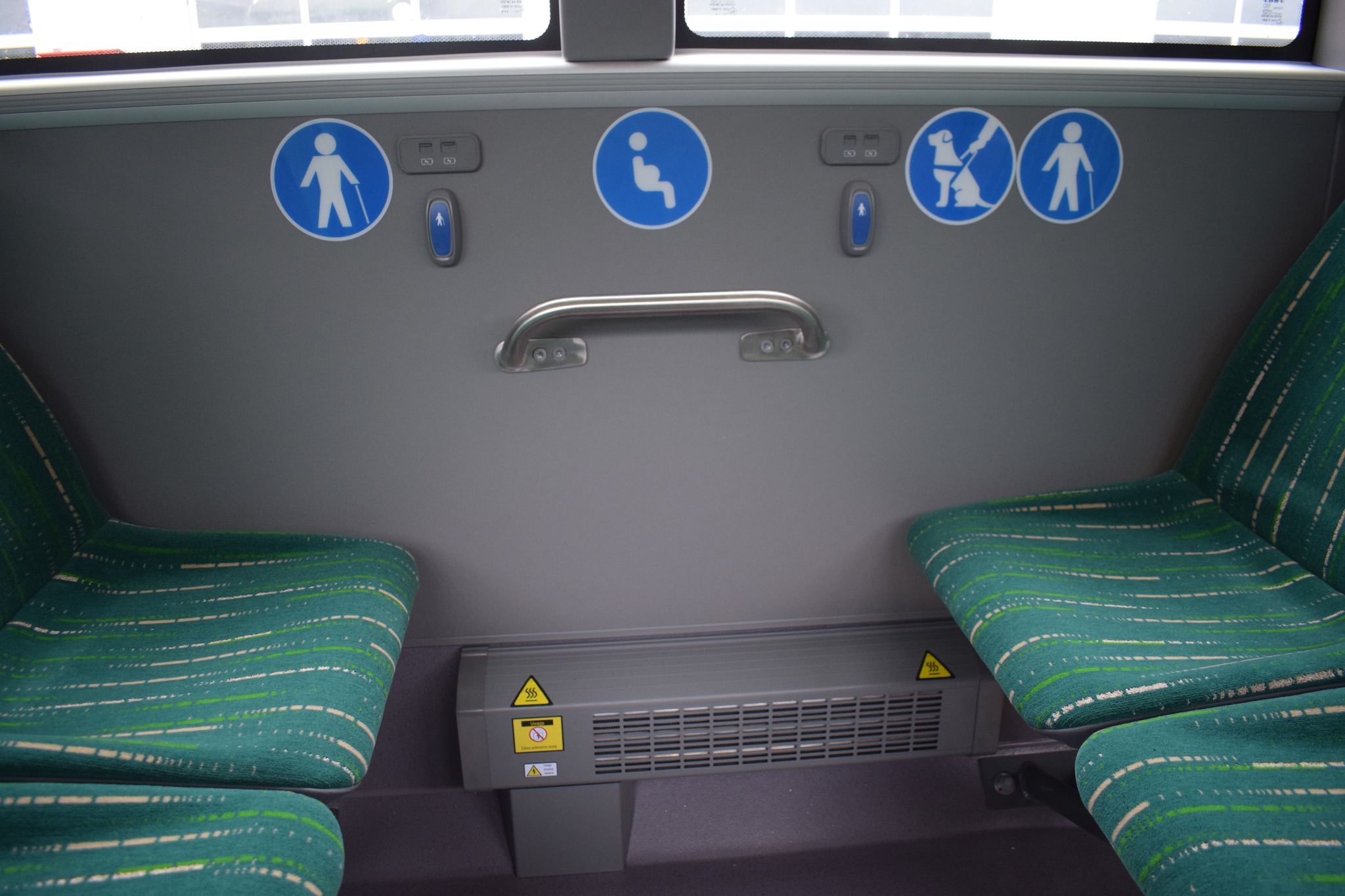
The trolleybuses have a passenger capacity of 93, including 32 seats. The passenger compartment is air-conditioned, upholstered seats are part of the vehicles’ standard equipment, and tinted side windows improve passenger comfort. A ramp for passengers with reduced mobility is also provided, as is dual USB charging capability via USB-A and USB-C ports.
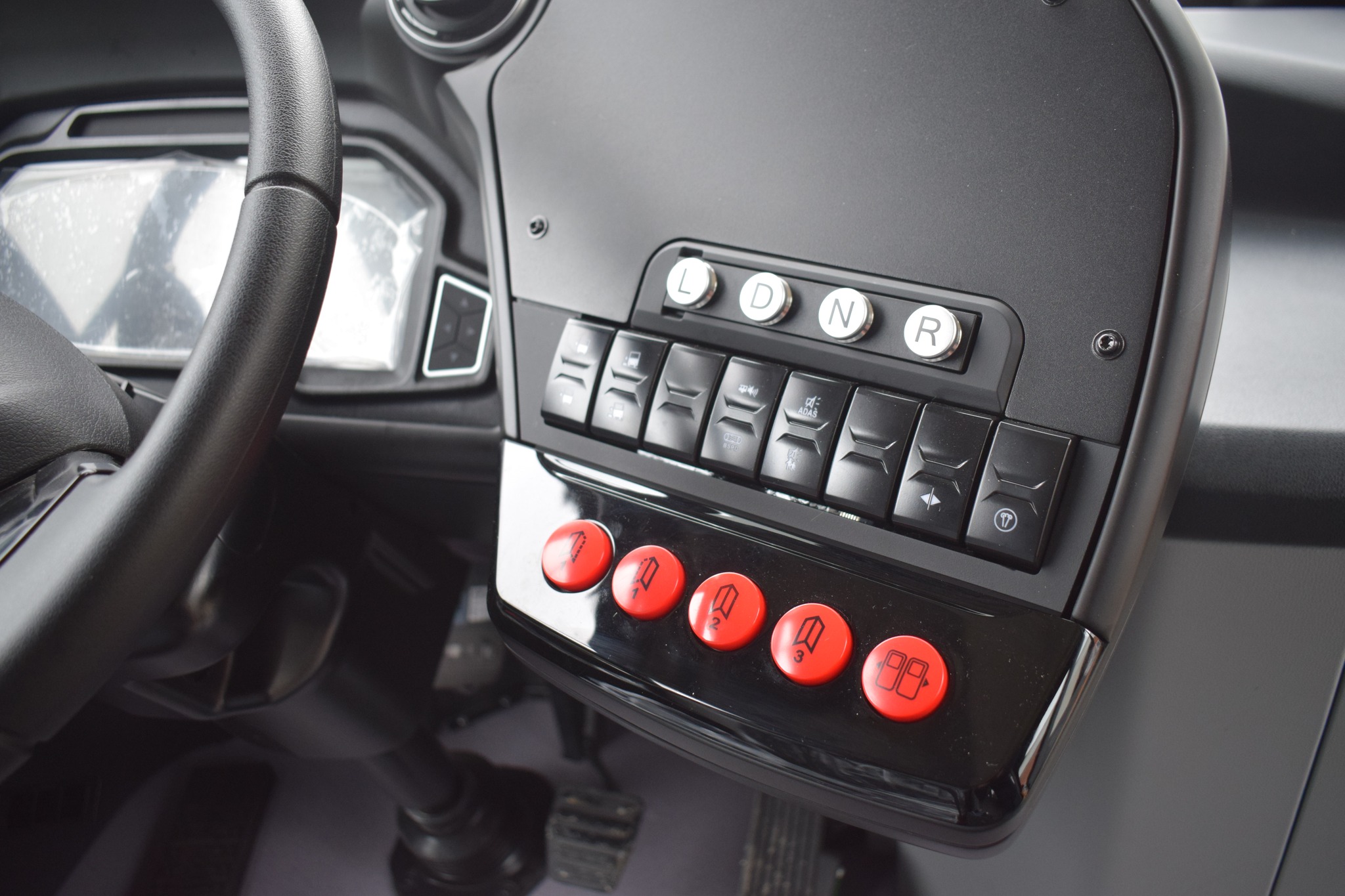
Photos: Societatea de Transport București STB SA, Primăria Municipiului Bucureşti
This article has been translated using AI-powered tools. While we strive for perfect accuracy, some nuances may differ from the original Hungarian version.
 Related Articles


