![Magyarbusz [Info] International](https://bunny-wp-pullzone-9e1je37kud.b-cdn.net/wp-content/uploads/2025/06/cropped-cropped-mbi_sby_v1-scaled-1.png)

As part of MÁV Személyszállítási Zrt.’s largest vehicle procurement since 2023, a total of 131 low-entry, suburban solo buses were purchased for a total of 11.12 billion forints from the domestically-owned Kravtex-Kühne Group, which has manufacturing bases in Győr and Mosonmagyaróvár. Deliveries have started in recent days – the first units have already begun service in the Balaton region – and the plan is for the entire fleet to be operational by mid-summer. This acquisition is being realized as the first phase of MÁV’s vehicle replacement program, which aims to introduce a total of one thousand new buses.
The vehicles, which are priced at nearly 85 million forints each, belong to the newest generation of the Credobus Econell 12 type, known as the Next. The recently delivered models have been manufactured with several modifications to the powertrain and upgraded service offerings compared to previous series. According to the manufacturer, the well-known six-cylinder, 6728 cm³ displacement FPT NEF 6 (Iveco Tector 7) diesel engine in Kravtex models has seen more than a 10% increase in performance, and the 320 horsepower (235 kW), Euro 6e-compliant power unit is now paired with ZF’s new 6+1 speed EcoLife 2 automated transmission. The powertrain of the new solo series is identical to that used in the articulated Econell 18 Next type.
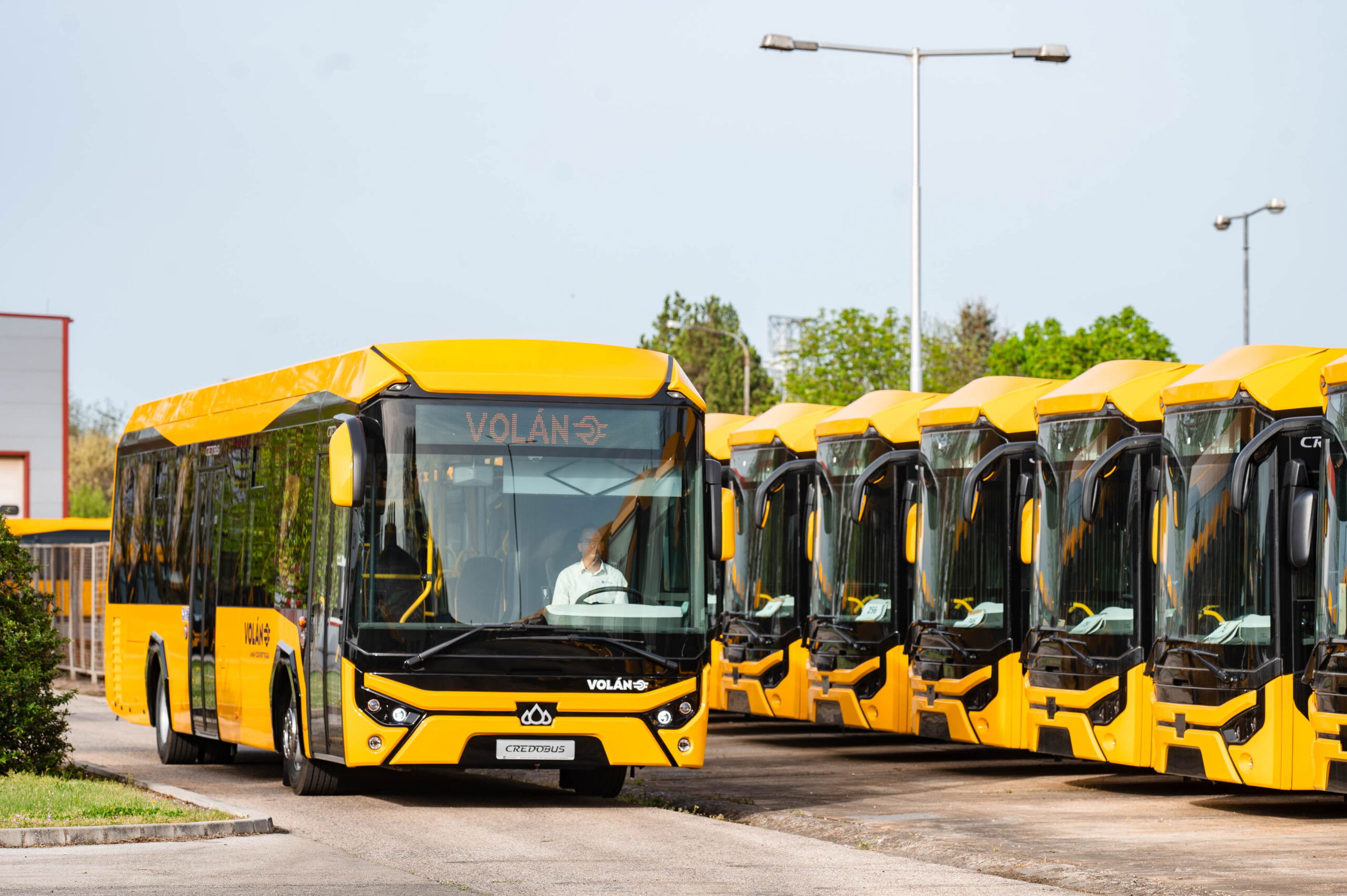
According to the manufacturer, the total value of the 131-unit order is more than one billion forints, or 10%, less than the price of similarly equipped imported types. The spare parts supply for these vehicles can also be realized at a more favorable cost level thanks to the domestic production background.
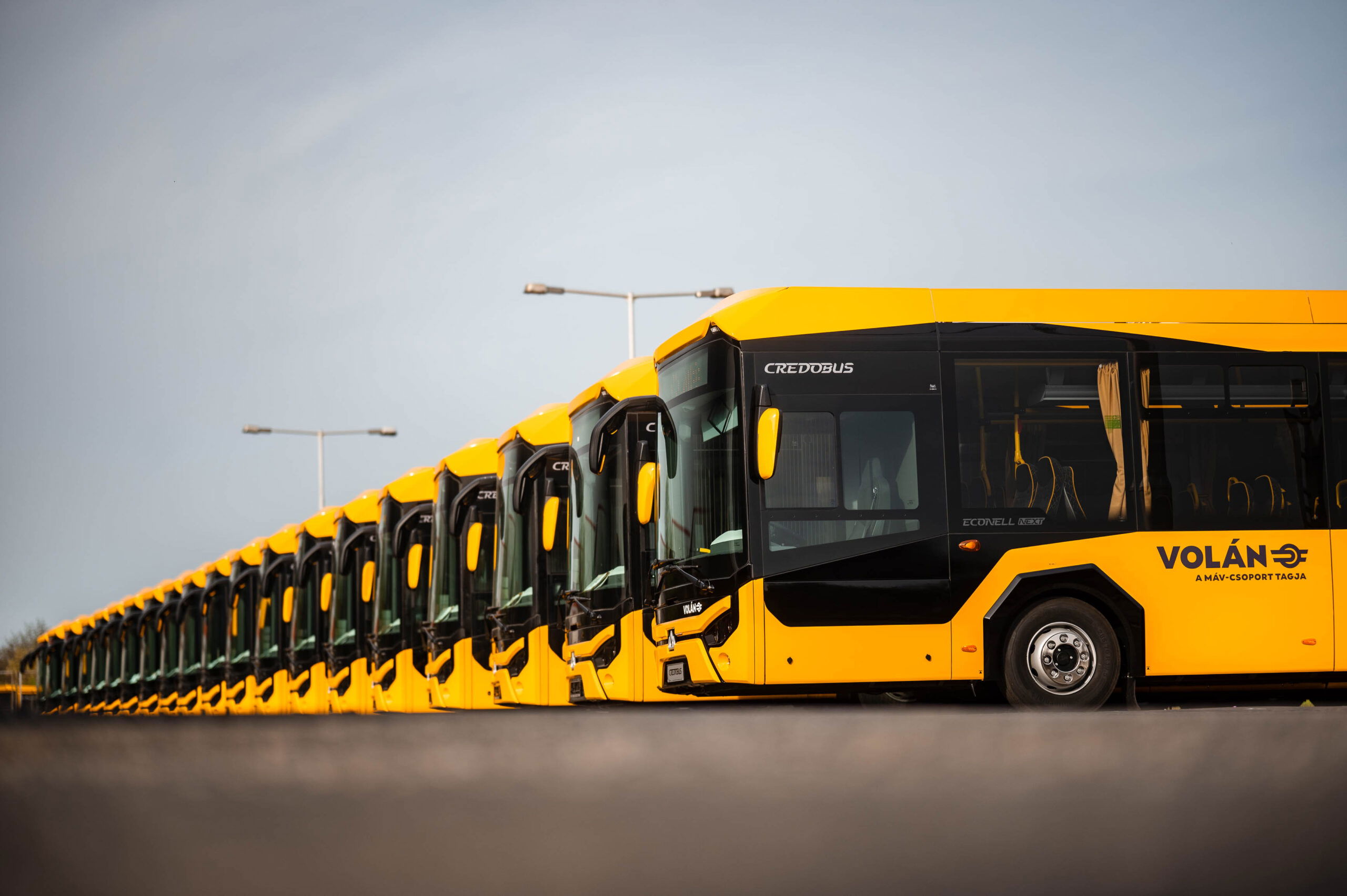
Furthermore, Kravtex highlights that due to the low unladen weight design, Credobus constructions offer more favorable operational indicators compared to similar-purpose, traditionally designed buses. The Econell 12 Next’s unladen weight is at least one and a half tons lower than that of competing types, which typically use 22.5″ disc-sized wheels. The weight reduction, the use of smaller diameter wheels, and the optimized frame structure together could result in an annual fuel saving of up to 4000 liters per vehicle, which at today’s exchange rate could reduce the annual operating costs by approximately 2 million forints.
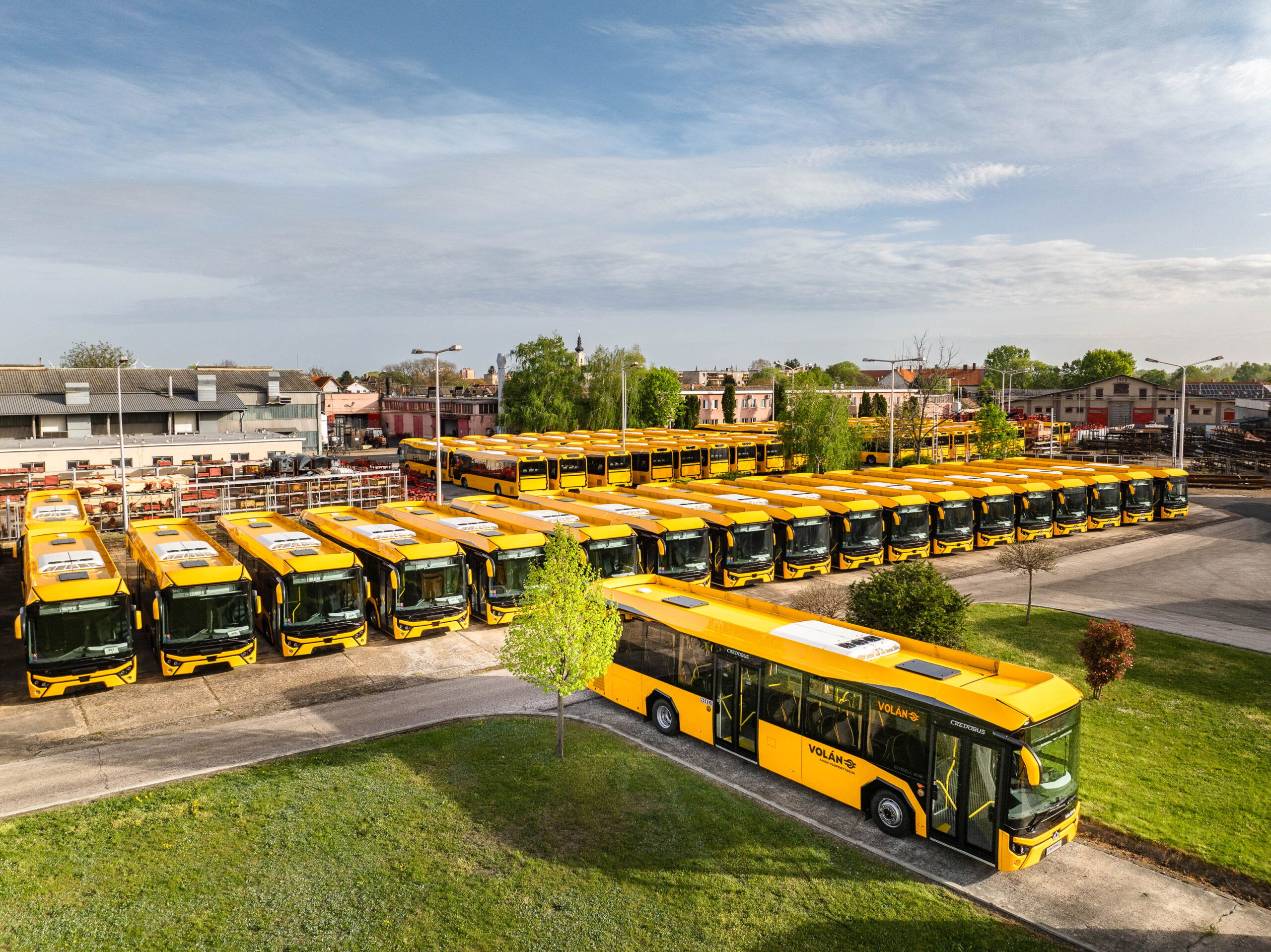
The majority of the production process takes place in Hungary. The structural elements of the vehicles – such as the painted and varnished frame structure and the thousands of built-in metal parts – are manufactured at the Kühne machine factory in Mosonmagyaróvár, while assembly takes place at the group’s site in Győr. The proportion of Hungarian added value relative to the purchase price of the buses reaches 70-75%, which is currently unique domestically.
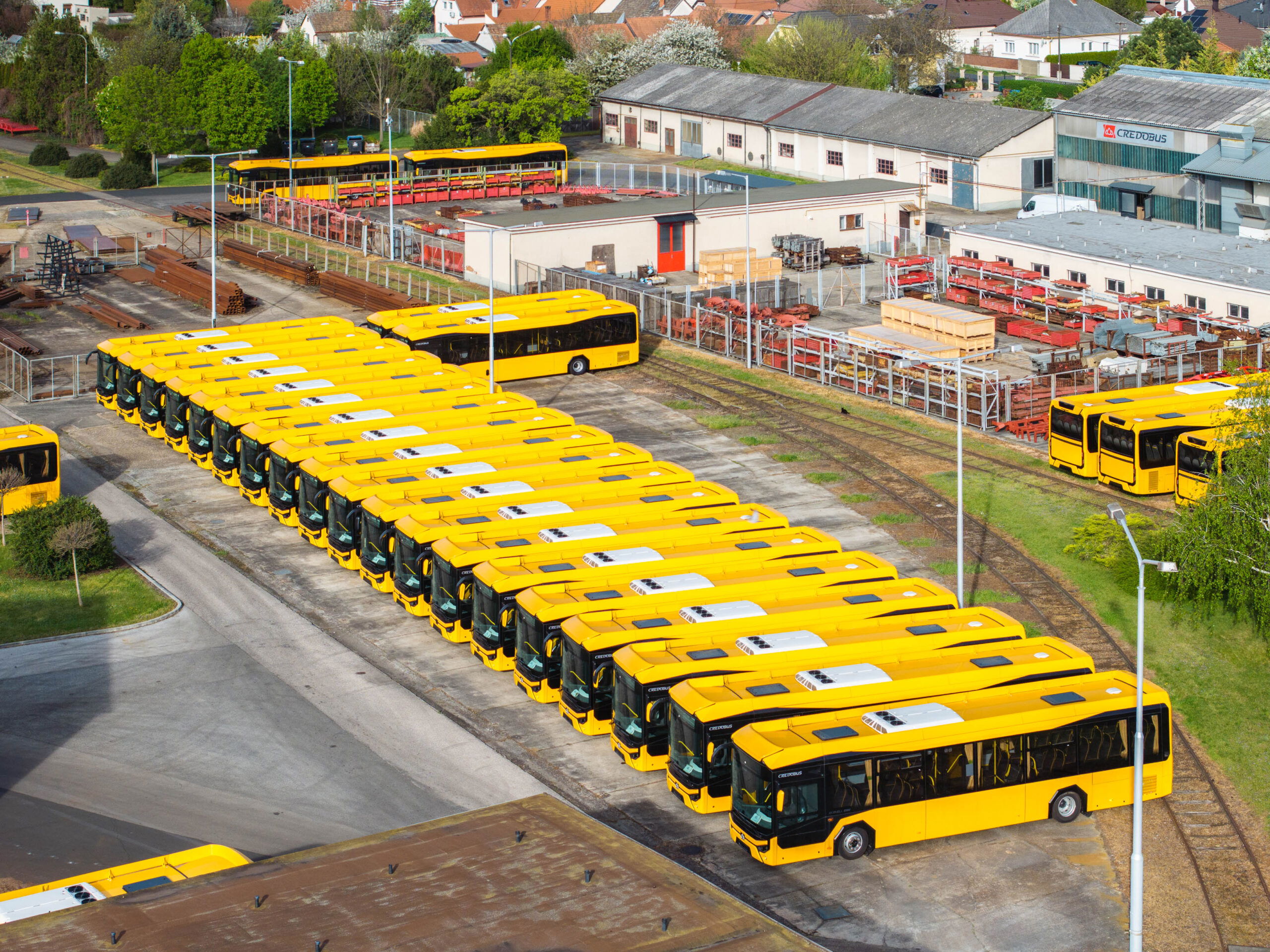
A significant portion of the main components and parts are also supplied by domestic suppliers. The axle units are manufactured by Rába (Győr), the transmissions by ZF (Eger), the brake system elements by Knorr-Bremse (Kecskemét), and the passenger doors by Metal 99 (Dabas). The flat glass is supplied by OROSházaGLAS (Orosháza), the windshields by Hirschler Üvegipari Vállalkozás in Sopron, and the sliding windows by König in Kerekegyháza. The vinyl flooring is from Graboplast (Győr), and the batteries are products of Jász-Plasztik (Jászberény). The camera and passenger counting systems are provided by HC Linear in Pécs, while the cash boxes are manufactured by Matic in Tiszaalpár. The vulcanization of the silent blocks takes place at Semperform’s Sopron plant. The fiberglass-reinforced and other plastic elements come from locations including Vámosszabadi (Tálos), Berhida (Balatonplast), Felsőörs (Omikron Dokk), Győrújbarát (Alexovics), and Győr (Plastform). The vehicle decorations are created by Vektor dekor in Győr, and the interior curtains are tailored by the sewing workshop of Esély Nonprofit Kft. in Győr, which employs workers with altered working abilities.
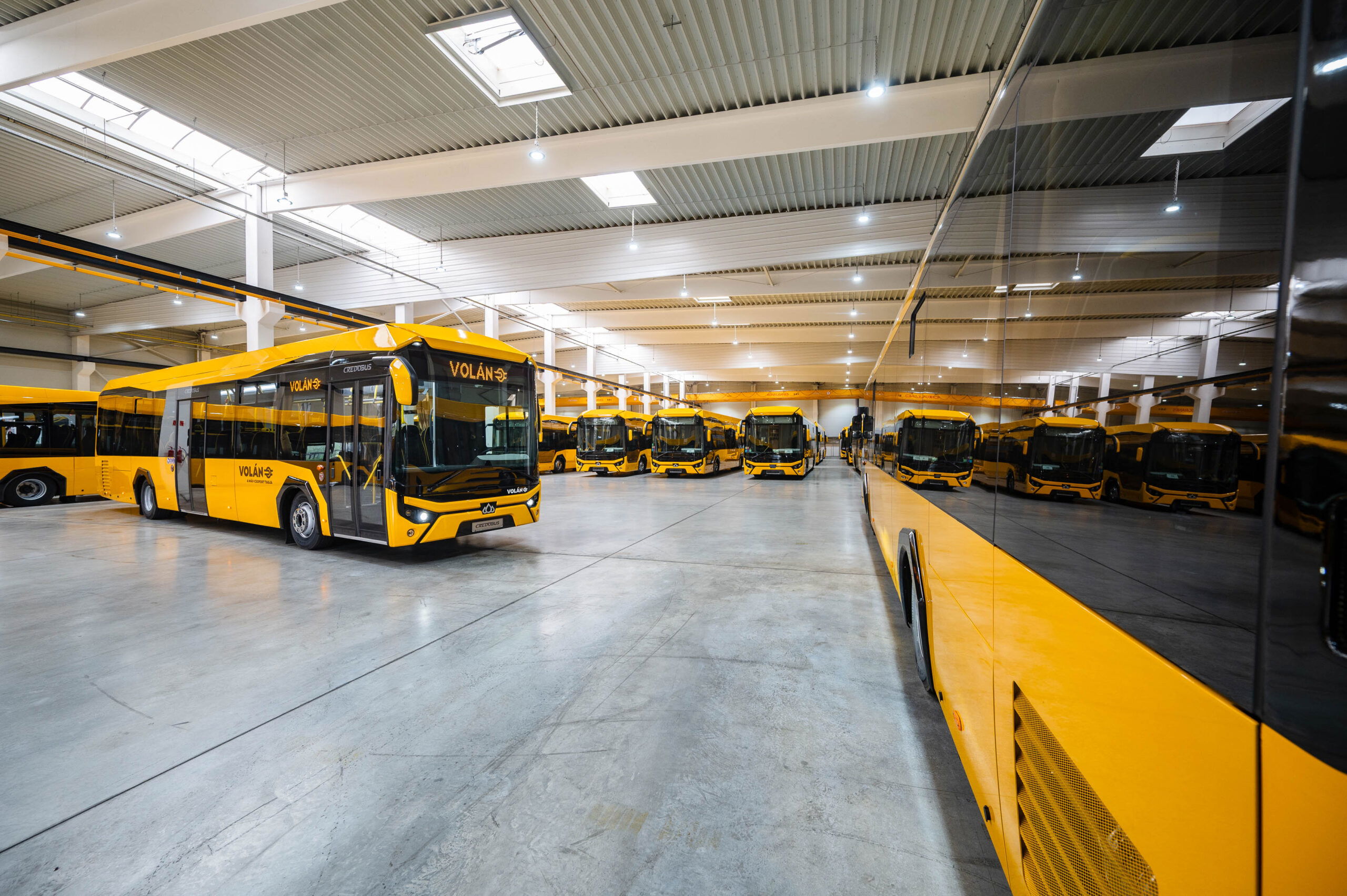
The buses being delivered now are manufactured with a specification that is considered particularly well-equipped in the suburban category. Passenger comfort is enhanced by high-performance cooling-heating air conditioning, curtains, passenger seats with USB charging points and phone holders, extra thick padding, and a WiFi router. Accessibility is ensured with a kneeling function and a manually operated ramp. Each vehicle is equipped with an HKIR-compatible audio-visual passenger information system, which displays information on high-resolution LED and LCD screens. The safety system includes a multi-camera surveillance system and a dashboard-integrated monitoring screen. The equipment also includes a stereo camera passenger counting system, providing real-time data for tracking occupancy.
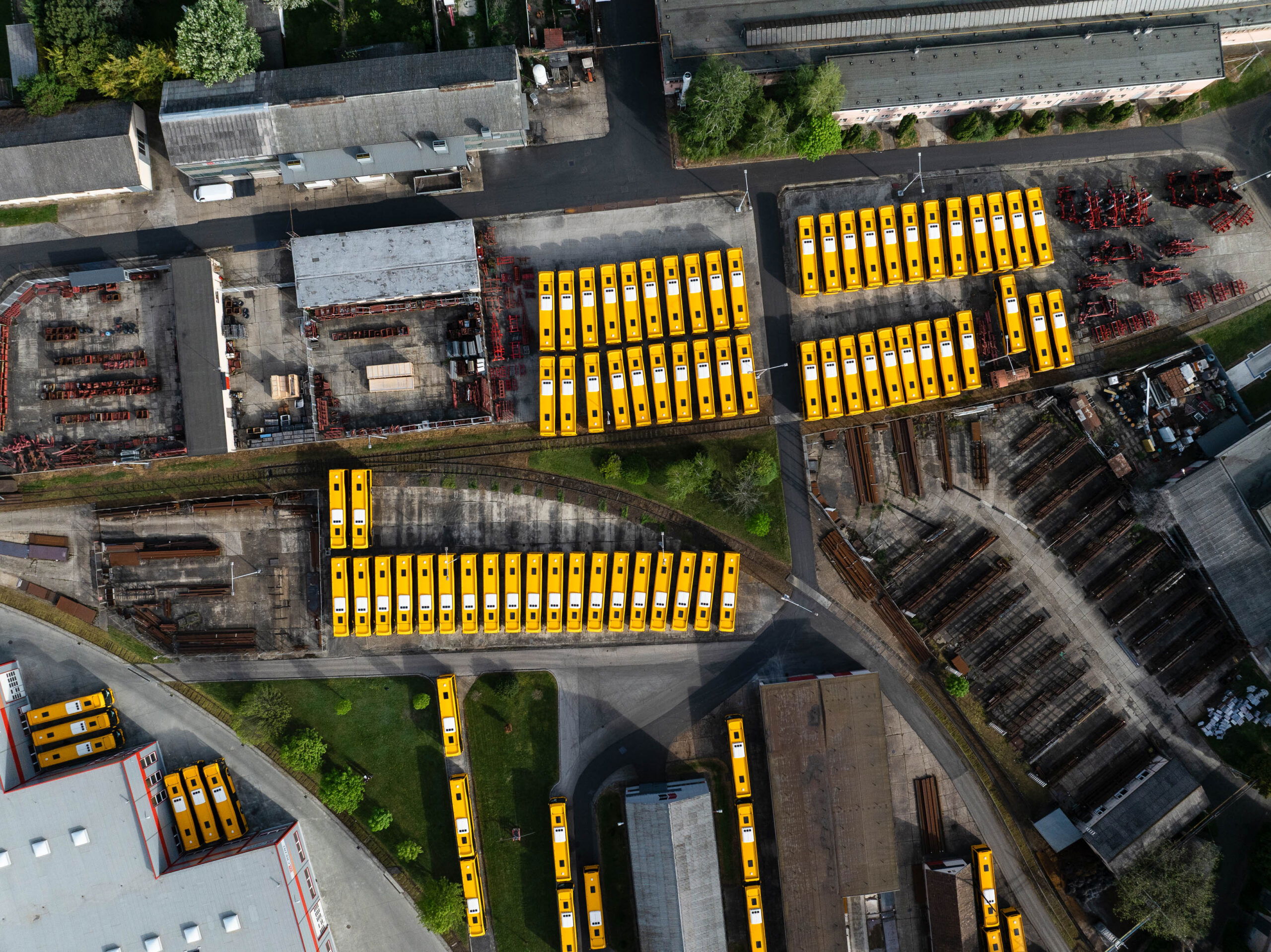
According to the manufacturer, the Credobus Econell series is one of the most widely produced bus families in Europe equipped with a 19.5″ wheel system. More than 1500 units have been produced from the construction introduced as the successor to the previous EN/BN series. The new generation, produced since 2021 – the Econell Next – is available in solo and articulated, diesel and battery electric (BEV) versions. The articulated version, the Econell 18 Next, has been part of MÁV Személyszállítási Zrt.’s fleet since 2023, in a quantity of 47 units.
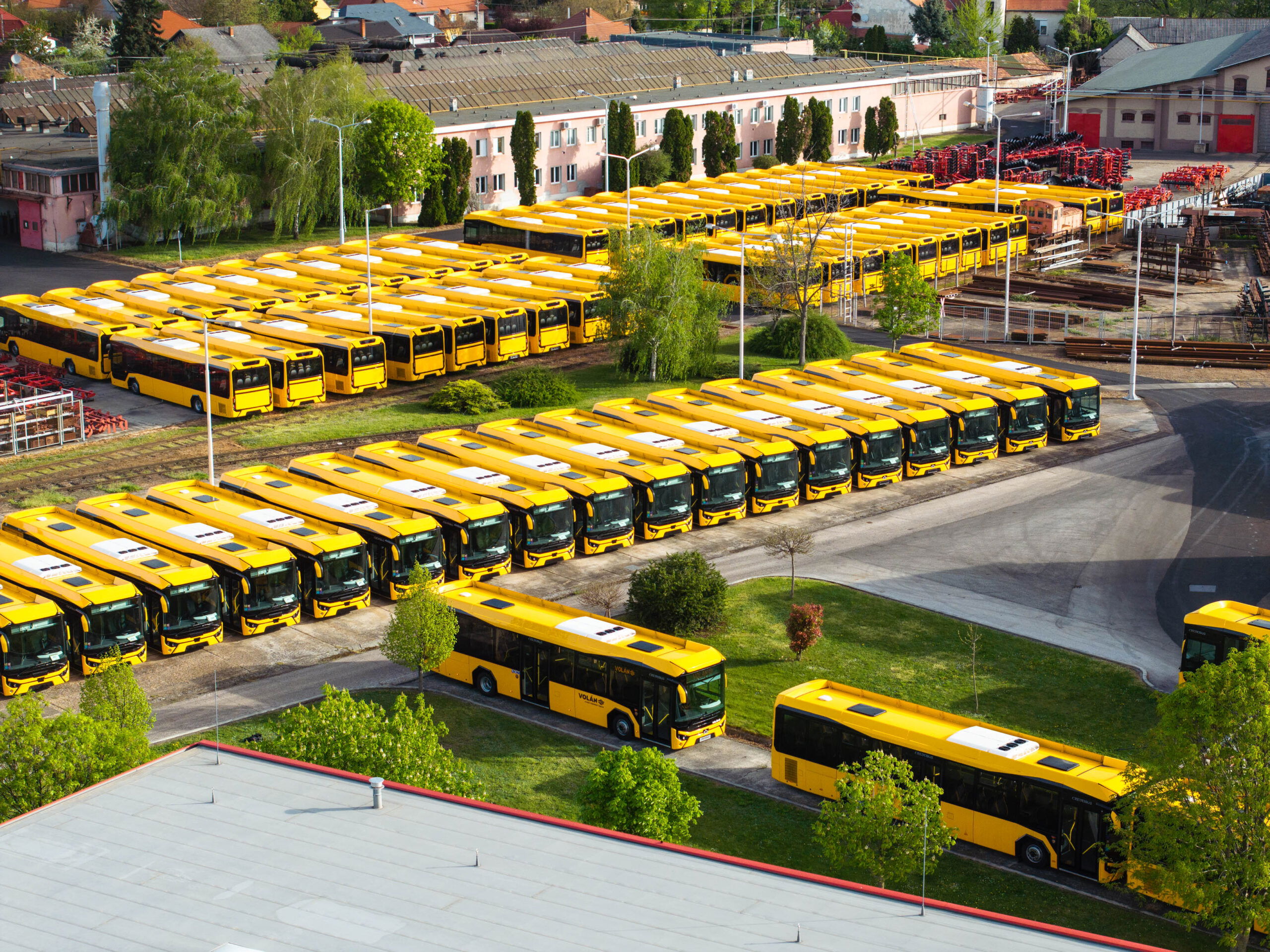
Currently, Credobus types represent almost 50% of the Volán fleet, and the newly commissioned series will further increase this share. The fleet, which already includes more than 2500 vehicles in service, achieves an annual fuel saving of 5.5 billion forints according to the manufacturer’s calculations.
 Related Articles


